
What to Do After Water Damage: First Steps for Dallas Homeowners
Knowing what to do after water damage in the first hour decides how much of your home you keep. Below is the order to work in — stay safe, stop the water, document the loss, then call for cleanup. If water is spreading right now, call SummitFrame Restore at (469) 895-7900; we answer 24/7 Emergency Response.
Stay Safe Before You Touch Anything
Water and electricity are the danger, not the wet carpet. Before you wade in to assess the damage, handle the hazards first:
- Cut the power to wet areas. If you can reach the breaker panel without standing in water, switch off circuits feeding the flooded rooms. If the panel itself is wet or you'd have to stand in water to reach it, leave it and call an electrician or the utility.
- Smell for gas. If a water heater or gas appliance was involved and you smell gas, leave the house and call your gas provider from outside. Don't flip switches on the way out.
- Watch your footing. Wet tile and hardwood are slick, and a soaked ceiling can sag and drop. Stay out from under bulging drywall.
- Leave if the structure looks unsafe. Sagging ceilings, a buckling floor, or water near the electrical panel are reasons to step outside and let professionals assess it.
Category-3 water, meaning sewage backups or water that has sat long enough to grow bacteria, is a health hazard, not just a mess. If the water is dark, smells, or came from a toilet drain, don't enter it without protective gear.
Stop the SourceShut Off the Water at Its Source
Every minute the source runs, the damage grows. Stop the flow before you do anything else with the cleanup:
- For a burst or leaking pipe, hit the main shutoff. In most Dallas-area homes it's at the water meter near the curb, or where the supply line enters the house — often in the garage or a utility closet. Turn it clockwise until it stops.
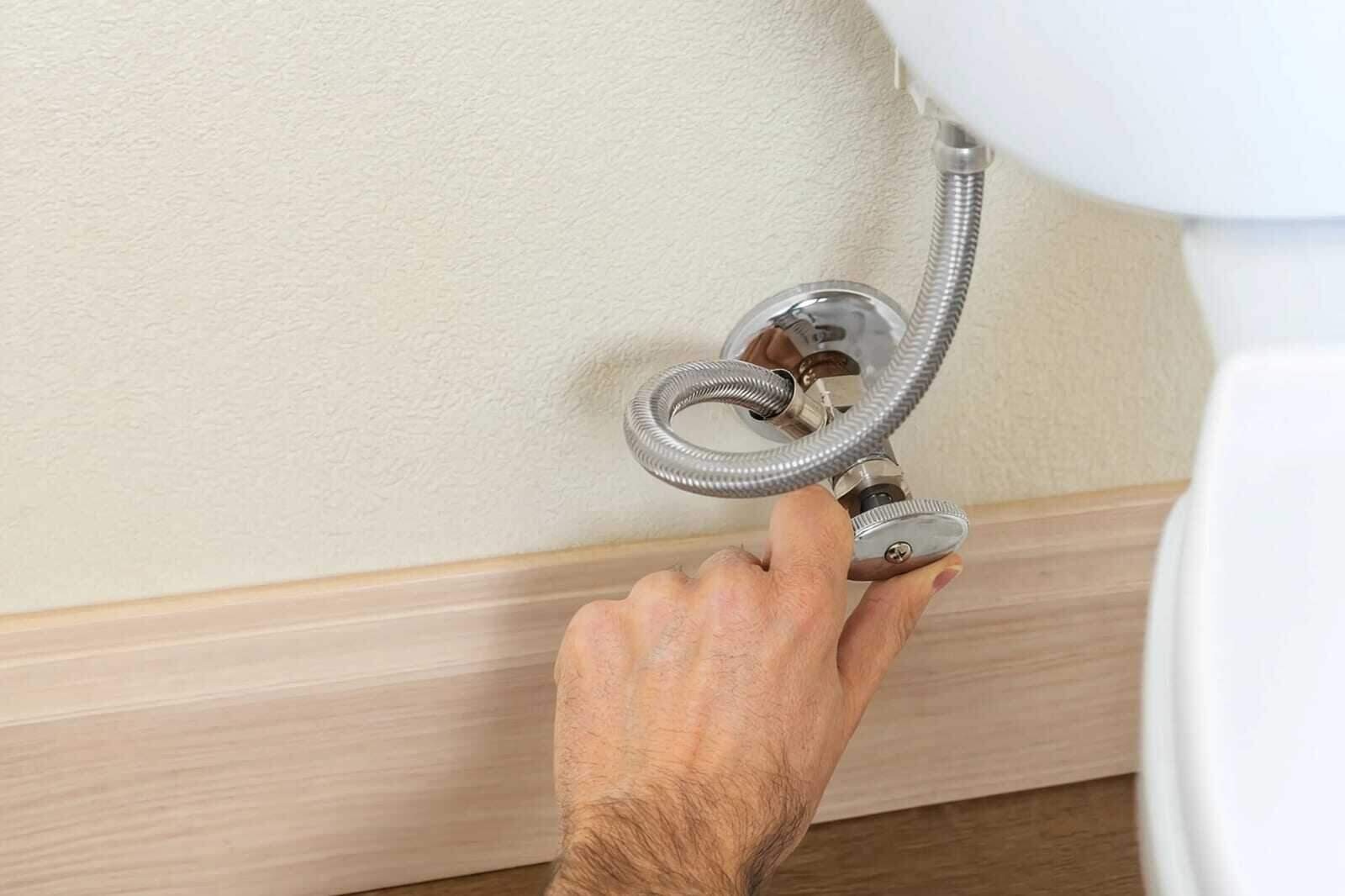
- For an appliance, use its own valve. A failed dishwasher, washing machine, water heater, or toilet has a local shutoff behind or beneath it. Closing that valve stops the leak without killing water to the whole house.
- If you can't find or turn the valve, kill the main. A stuck valve isn't worth fighting while water spreads. Shut the main and call a plumber for the source repair.
A restoration crew dries the building and prevents mold, but we don't repair the plumbing that caused the leak. Once the water is off, a plumber fixes the source while we handle the water already in your home.
Build Your RecordDocument Everything Before You Clean Up
Photograph the damage before you move or dry a single thing. Texas homeowner policies pay claims on evidence, and the strongest evidence is the scene untouched:
- Shoot wide, then close. Wide video of each affected room, then close-ups of standing water, soaked flooring, water lines on the walls, and the source if you can see it. More footage is always better.
- Capture the source while it's obvious. A photo of the burst fitting or the failed appliance shows the loss was sudden and accidental. That distinction is the line between a covered claim and a denied one.
- Don't throw anything out yet. Keep damaged baseboard, flooring, and ruined contents until your adjuster or your restoration crew has documented them.
- Note the time and cause. When it started, what you saw, what you did. A short written timeline supports the claim later.
For how this documentation feeds an insurance claim — what Texas policies cover and how we bill your carrier directly — see our water damage insurance claims guide.
While You WaitWhat You Can Safely Do — and What to Avoid
Once the power and water are handled and the scene is documented, a few things slow the damage while the crew is on the way. A few others make it worse.
Safe to do while you wait:
- Move what you can. Lift valuables, electronics, and small furniture to a dry room. Put aluminum foil or wood blocks under furniture legs sitting in water to stop staining the floor.
- Blot and mop clean standing water. Towels, a mop, and a bucket are fine for Category-1 (clean) water from a supply line. Getting the surface water off limits how deep it soaks.
- Get air moving. Open windows and run fans if the weather is dry. In Dallas humidity that helps less than people expect, which is why structural drying needs real equipment.
Do not:
- Don't use a household vacuum on water. A regular vac isn't built for liquid and will give you a shock hazard. Extraction needs a wet/dry or truck-mounted unit.
- Don't enter sewage or dark, smelly water. Category-3 water carries bacteria. Leave that one to a crew in protective gear.
- Don't close it back up wet. Drywall over wet framing, or new flooring on a damp subfloor, traps moisture and grows mold inside the wall. The structure has to read dry on a moisture meter before anything gets sealed.
Who to Call for Water Damage — and Why Hours Matter
Call a water damage restoration company first, and a plumber for the source. The plumber stops a burst pipe; the restoration crew removes the water and dries the structure so the damage stops spreading. Both matter, but the drying clock is what turns a small loss into a big one.
- Mold starts in 24 to 48 hours. Once water sits, mold can colonize damp drywall and framing within a day or two. Drying fast keeps a water loss from becoming a mold remediation job.
- Materials wick water for hours. Drywall, baseboard, and subfloor pull water sideways and upward long after the leak stops, so the wet zone grows even with the source shut off.
- Speed protects the claim. Texas policies expect you to take reasonable steps to limit further loss. Calling for extraction early is exactly that step, and the receipt is usually reimbursable.
SummitFrame Restore runs 24/7 emergency water damage response across Dallas and the DFW metro. For the extraction step specifically — pulling standing water out fast — see our water removal and extraction page. We arrive, extract, set drying equipment, and document the loss the same visit.
The ChecklistYour First 24 Hours: A Water Damage Cleanup Checklist
If you're standing in it right now, work this water damage restoration checklist in order:
- 1. Cut the power to wet rooms if the panel is dry and reachable.
- 2. Shut off the water at the appliance valve or the main.
- 3. Get people and pets clear of sagging ceilings and dark, contaminated water.
- 4. Photograph and video everything before you move or dry it.
- 5. Call a restoration crew for extraction and drying, and a plumber for the source.
- 6. Move valuables and small furniture to a dry room.
- 7. Blot or mop clean surface water if it's safe Category-1 water.
- 8. Open your claim with your insurer and write down the claim number and cause.
- 9. Keep every receipt for emergency work, because most of it is reimbursable.
- 10. Leave drying to the equipment. Don't seal walls or lay flooring until a moisture meter reads dry.
Frequently Asked Questions
Who do I call first, a plumber or a restoration company?
Call both, and call them right away. The plumber fixes the source — the burst pipe, the failed water heater — so the leak stops. The restoration crew removes the water already in your home and dries the structure before mold sets in. If you can only reach one immediately, shut the water off yourself at the main, then call whoever answers first. SummitFrame Restore can be on site while you arrange the plumbing repair.
Is water damage an emergency, or can it wait until morning?
It's an emergency. Mold can begin within 24 to 48 hours, and drywall, baseboard, and subfloor keep wicking water for hours after the leak stops, so the damaged area grows overnight. Waiting until morning often turns a one-room dry-out into a multi-room job with mold. That's why we answer 24/7 Emergency Response — call (469) 895-7900 and we'll start extraction the same visit.
Can I just dry it out myself with fans and a shop vac?
Surface water from a clean supply line, you can mop or blot. But fans only dry what you can see. Water inside walls, under flooring, and in the subfloor needs commercial air movers and dehumidifiers, plus a moisture meter to confirm it's actually dry. The IICRC S500 standard exists because hidden moisture left behind is what grows mold inside the wall weeks later. Never run a household vacuum on water, and never enter sewage water yourself.
What do most water losses in Dallas come from?
Most Dallas-area calls trace to plumbing and appliance failures, slab leaks under homes built on expansive clay soil, and storm or hail roof leaks. The February 2021 winter freeze burst pipes across the metro in a single week, which is a good reminder to know where your main shutoff is before you need it. Rising-water flooding from rivers or surface flooding is a separate specialty under flood insurance, not something we handle.
Water Spreading Right Now? Call Before It Reaches the Next Room.
Call SummitFrame Restore and we'll extract the water, set drying equipment, and document the loss the same visit. Reach a real person any time — 24/7 Emergency Response.
Call Now: (469) 895-7900