
Signs of Water Damage: How to Spot Hidden Damage
Most water damage shows itself long before you see standing water. A faint stain, a soft patch of wall, a smell that won't quit — these are the early signs of water damage, and catching them early is the difference between a quick dry-out and a torn-out wall. Here's what to look for, room by room, including the signs that hide.
The Obvious Visible Signs
The clearest signs of water damage are the ones you can see at a glance. If a surface in your home is changing color, texture, or shape, water is the usual cause. Walk your rooms and look for these:
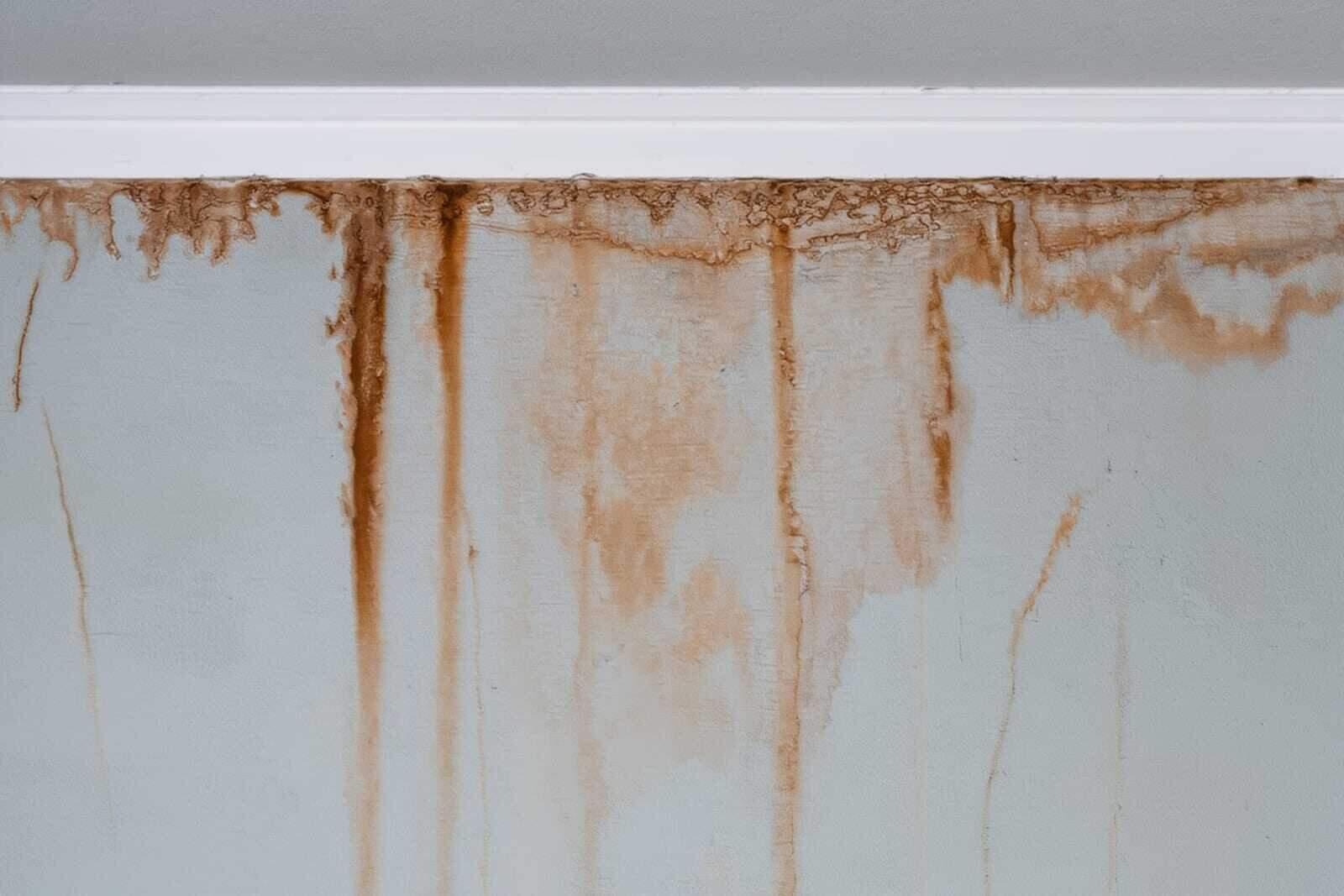
- Staining and discoloration. Yellow, brown, or copper-tinted patches on a wall or ceiling mark where water passed through and left minerals behind. The darker the ring, the longer the moisture sat.
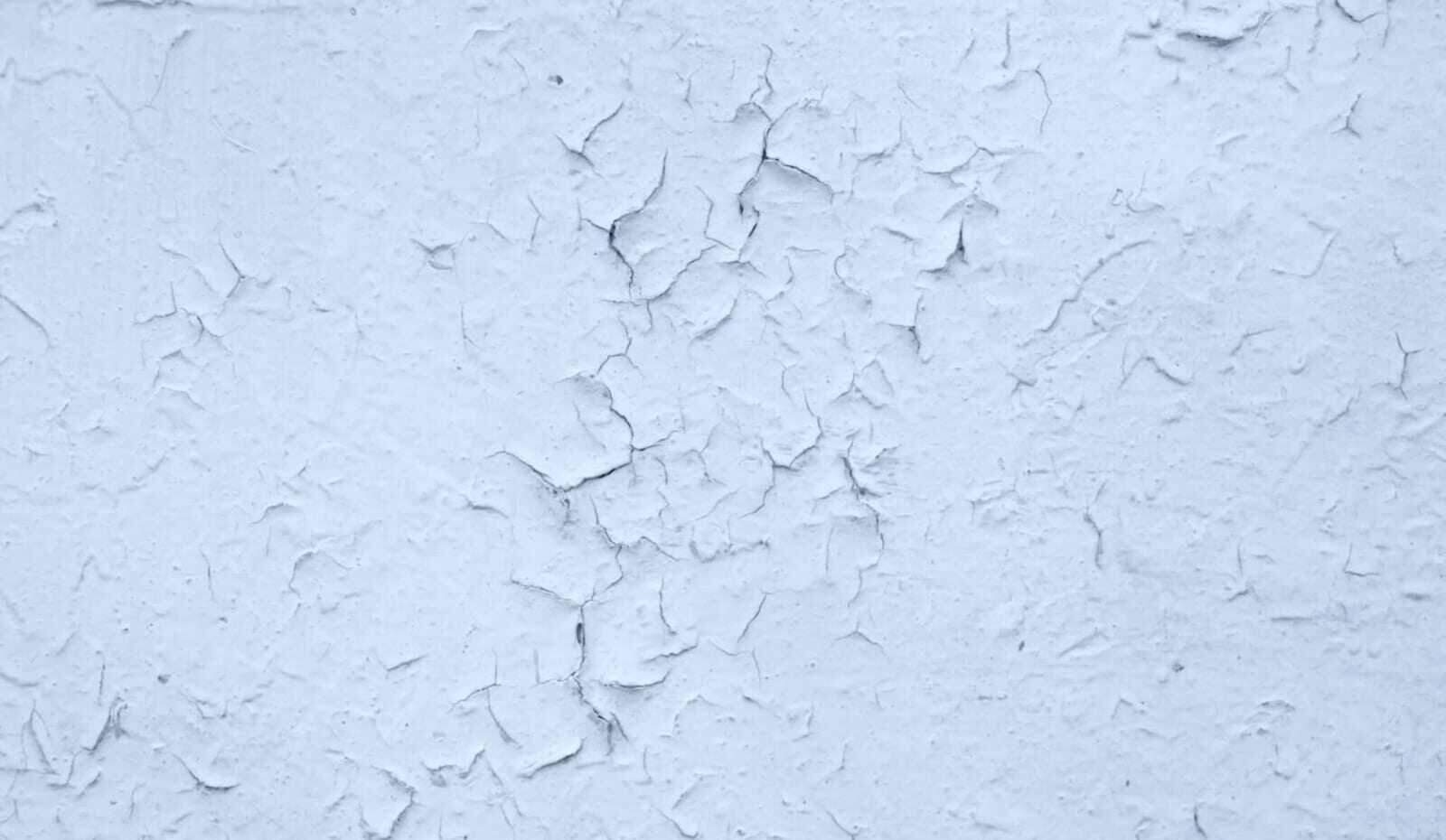
- Bubbling or peeling paint. When moisture gets behind paint or wallpaper, it lifts the finish off the surface. Paint that blisters, flakes, or feels rubbery to the touch has water trapped underneath.
- Warping and swelling. Drywall, trim, and wood absorb water and expand. A wall that bows outward or a windowsill that no longer sits flat is holding moisture.
- Sagging. A ceiling or wall section that droops or bellies downward is carrying the weight of water behind it. That one is urgent — saturated drywall can let go.
Visible signs are the easy part. The trouble is that what you see on the surface is usually smaller than what's happening behind it. A two-inch stain often means a much larger wet area inside the cavity.
In the WallsSigns of Water Damage in Walls
Water inside a wall hides well, but the wall gives it away if you know the tells. The signs of water damage in walls usually show up at the seams and the surface:
- Soft or spongy drywall. Press gently on a suspect spot. Sound drywall is firm; wet drywall gives, crumbles, or feels cool and damp. Once it's soft, it's compromised.
- Tide lines. A horizontal brown or gray line running across a wall marks the high-water mark from a leak or flood. Even after the surface dries, the line stays as a stain.
- Stains bleeding through paint. A spot you painted over that keeps reappearing means moisture is still active behind it. Fresh paint can't seal in a live leak.
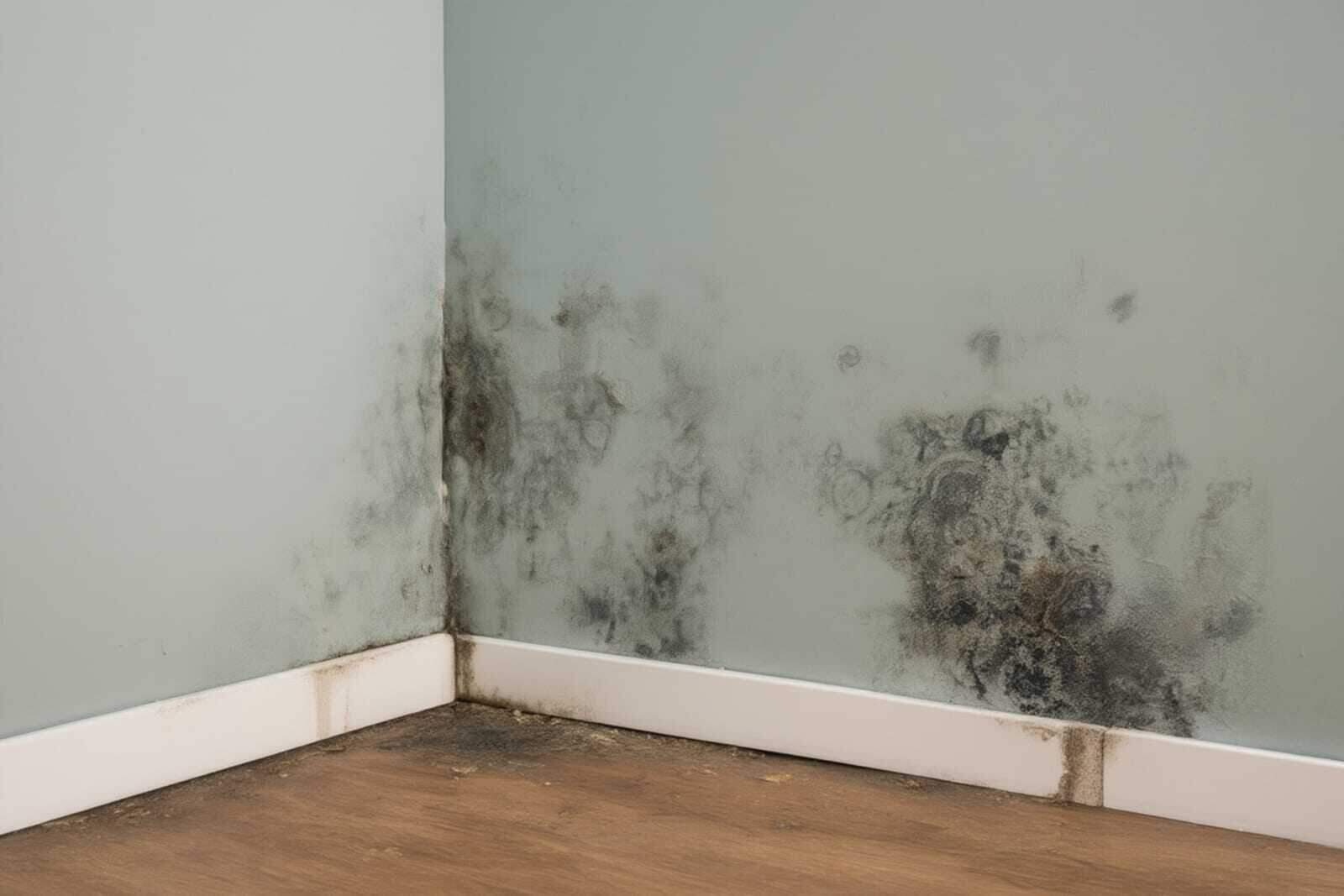
- Baseboard separation. When the bottom of a wall stays wet, the baseboard swells, warps, and pulls away from the drywall. Trim that's lifting or splitting at the floor line points to water at the base of the wall.
- Bubbling beneath the surface. Run your hand over the wall. Soft blisters or a texture that shifts under light pressure mean water is pooling behind the paint.
Signs of Water Damage in the Ceiling
Ceiling damage almost always comes from above — a leaking pipe in the floor overhead, a failed appliance upstairs, or a roof letting water in. The signs of water damage in a ceiling are some of the most recognizable:
- Brown rings or halos. A circular stain with a darker edge is the classic ceiling leak. The ring forms as water spreads across the drywall and dries at the edges.
- Bowing or sagging. A ceiling that dips, bulges, or cracks in a spreading line is holding pooled water. Keep people out from under it.
- Drips at light fixtures. Water follows the path of least resistance and exits at openings. Moisture around a ceiling light or fan, or a fixture that fills with water, is both a damage sign and a real shock hazard.
A stained ceiling needs you to find the source above it, fast. If the leak came from the roof, our roof water damage repair page covers what to do; for the drying and repair of the ceiling itself, see ceiling water damage.
In the FloorSigns of Water Damage in the Floor
Floors absorb water from below and from spills above, and each flooring type shows it differently. Watch for these signs of water damage underfoot:
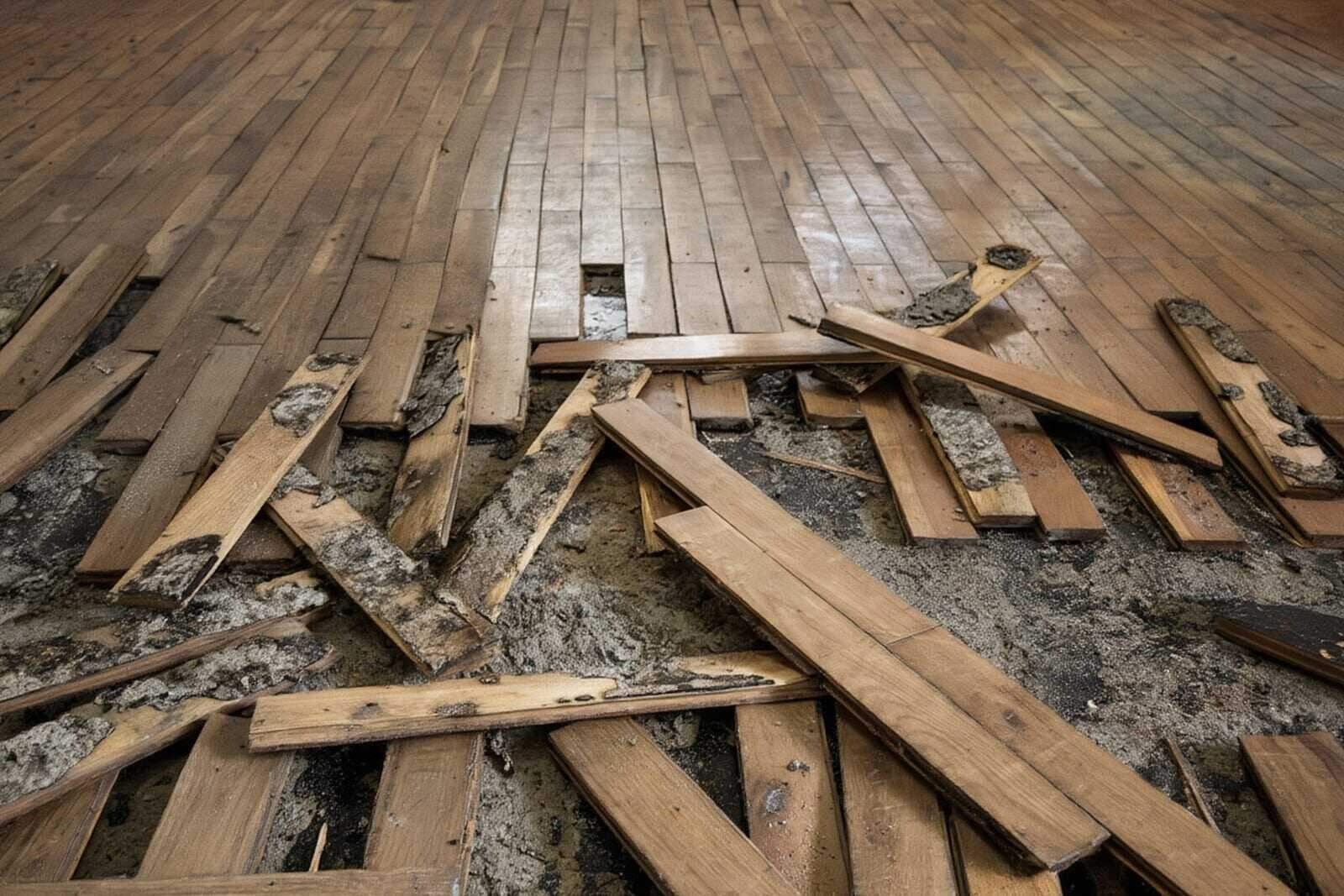
- Cupping or buckling hardwood. When wood planks take on moisture, the edges rise higher than the center (cupping) or the boards lift off the subfloor entirely (buckling). Both mean water has reached the wood. Our hardwood floor water damage page explains what can be saved.
- Spongy or soft spots. A floor that flexes, dips, or feels soft when you step on it has a wet subfloor underneath.
- Lifting or loose tile. Tiles that crack, pop loose, or sound hollow when tapped usually mean the adhesive or subfloor below has gotten wet.
- Musty or damp carpet. Carpet that stays damp, smells sour, or shows dark patches at the edges is holding water in the pad beneath it, where you can't see it.
The Smell: That Musty, Earthy Odor
A persistent musty, earthy smell is a sign of water damage even when nothing looks wrong. That odor comes from microbial growth feeding on damp materials, and it usually means moisture has been present long enough for mold to start. You'll notice it most in closed spaces — a closet, a bathroom, the air that hits you when you open a cabinet under the sink. If a room smells damp after it's been shut up, there's water somewhere it shouldn't be. Because that smell often signals active mold, see our mold removal page for what comes next. Don't mask the odor with air freshener; find the moisture.
Easy to MissHidden Signs Most People Miss
The most damaging leaks are the quiet ones, behind drywall or under a slab, where they run for weeks before any stain appears. These are the hidden signs of water damage worth knowing:
- An unexplained jump in your water bill. If your usage climbs with no change in habits, water is escaping somewhere you can't see. A leak doesn't have to be visible to register on the meter.
- The sound of running water. A faint hiss or trickle when every tap is off means water is moving inside a wall or under the floor.
- Warm or damp spots on the floor. A patch of slab that feels warm or stays damp can signal a hot-water slab leak beneath it. In Dallas, this is common: our expansive clay soil shifts with each wet-dry cycle and stresses the supply lines run through the foundation.
- Condensation and stains near the AC. A clogged condensate line or sweating ductwork drips inside walls and ceilings. Brown stains near an air handler or along a duct run point to AC moisture, not a plumbing leak.
None of these leave an obvious mark at first. By the time a stain shows, the leak has often been running long enough to soak the cavity and start mold.
What to DoWhen a Sign Means "Call Now" vs "Watch It"
Not every sign is an emergency, but the clock matters more than most people think. Mold can begin growing on damp materials within 24 to 48 hours, so a wet area that sits is a wet area that gets worse. Here's how to judge what you're seeing:
- Call now: a sagging or bulging ceiling, water at a light fixture, a spreading stain, soft drywall, standing water, the sound of running water with the taps off, or a musty smell that won't clear. These mean active or recent water and a window that's closing on mold.
- Watch closely: a small, dry, old-looking stain that hasn't changed in months, with no smell and no soft spots. Mark its edge with a pencil and check it after the next rain or heavy AC run. If it grows, it's active.
The reason speed matters is simple: drying a structure within the first day or two usually prevents mold and keeps a small loss small. Once moisture sits past 48 hours, you're often looking at removal and replacement instead of drying. When in doubt, a moisture meter settles it — that's the kind of reading SummitFrame Restore takes on every call, because a wall can read bone-dry on the surface and be soaked inside.
Good to KnowFrequently Asked Questions
How do I know if water damage is behind my wall?
Look and feel for the tells: soft or spongy drywall, paint that bubbles or stains that bleed back through fresh paint, a baseboard that's swollen or pulling away, and a musty smell near the wall. A horizontal tide line means water pooled there. The certain way to confirm it is a moisture meter, which reads the moisture inside the cavity even when the surface looks and feels dry. We bring one to every inspection.
Does a water stain always mean there's mold?
Not always, but it raises the odds. An old, small stain that's fully dry, hasn't grown, and has no musty smell may be from a leak that's long since stopped. A stain that's damp, spreading, or smells earthy is a different story: mold can start within 24 to 48 hours of materials getting wet, so a fresh or active stain often has growth behind it. The smell is the strongest clue — if a room smells musty, treat it as active until proven otherwise.
How can I tell if I have a slab leak in Dallas?
Common slab-leak signs are a warm or damp spot on the floor, an unexplained spike in your water bill, the sound of running water with every fixture off, and cracked or shifting flooring. Dallas sees a lot of these because the expansive clay soil under most homes swells and shrinks with the seasons, which stresses the water lines run through the slab. If you suspect one, shut off the water and call for a leak detection and drying assessment before the moisture spreads into the framing.
I can smell something musty but see no stain. What now?
A musty smell with no visible stain usually means hidden moisture — behind a wall, under a floor, or in an AC line. Check the obvious closed spaces first: under sinks, in closets, around the air handler. If the smell persists, get a professional moisture inspection. We use moisture meters and thermal imaging to find wet areas you can't see, so the source is found before it turns into a mold problem.
Spotted a Sign of Water Damage? Let's Find the Source.
If something in your home looks, feels, or smells like a water problem, SummitFrame Restore will inspect it, take moisture readings, and tell you straight whether it needs drying now or watching. Reach a real person any time — 24/7 Emergency Response.
Call Now: (469) 895-7900