
Ceiling Water Damage Repair in Dallas, TX
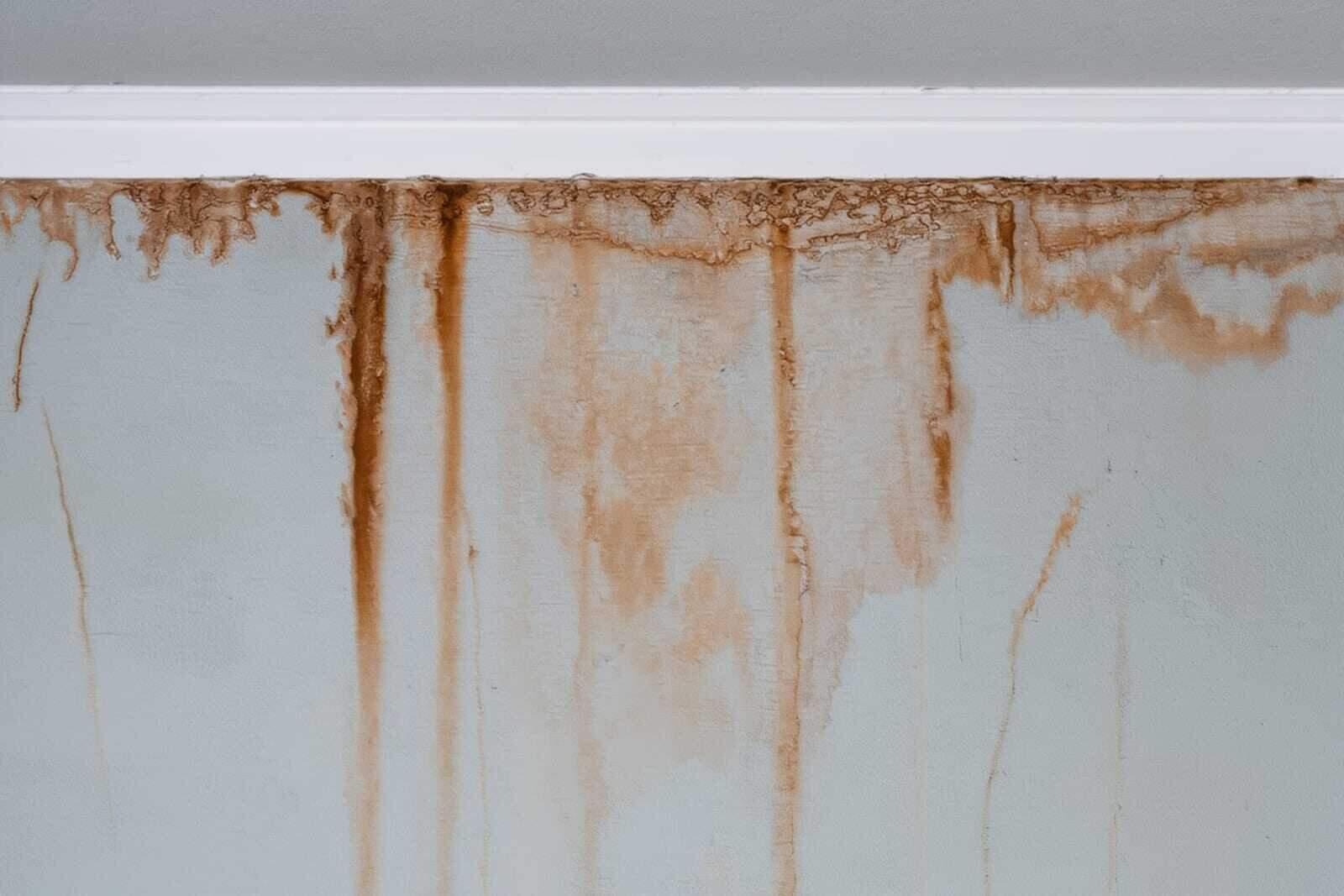
A brown ring on the ceiling means water has already been sitting above it. SummitFrame Restore traces the leak to its source, dries the ceiling cavity to a verified reading, and repairs the drywall and paint — so the stain doesn't come back and the framing above it doesn't rot.
- We find the source, not just patch the stain
- Ceiling-cavity drying before drywall
- Hail-claim documentation & direct billing
What Working With SummitFrame Restore Looks Like
Your call reaches our Regal Row base, never an out-of-state answering service. We roll a crew to most of the metro the same day.
Active IICRC certification, work that meets what manufacturers and insurers expect, and moisture logs that start within the first hour on site.
We deal with the adjuster and carry the paperwork — including the separate wind and hail deductible that catches so many Texas homeowners off guard.
The same outfit that extracts and dries your home also rebuilds it — no waiting on a separate contractor and no gap where the job stalls.
Common Causes of Ceiling Water Damage in Dallas Homes
The stain you see on the ceiling is rarely directly under the leak. Water enters at one point, runs along the top of the drywall or down a joist, and drips through wherever it finds a seam — so finding the source is the first real job. In Dallas homes, ceiling water damage comes from a short list of usual causes:
Hail-damaged roofs
DFW's spring hail cracks shingles and splits flashing without an obvious hole, and the next rain drives water into the attic and down onto the ceiling below. This is the most common cause we see here.
AC condensate overflow
Air handlers in the attic drip onto the ceiling all summer when the condensate line clogs or the drain pan cracks. With Dallas running AC much of the year, this is a frequent quiet leak.
Upstairs plumbing leaks
A failed supply line, a leaking toilet seal, or an overflowing tub on the second floor sends water straight into the first-floor ceiling.
Burst pipes in the attic
Attic water lines that crack in a freeze flood the ceiling from above once they thaw — a familiar story since Winter Storm Uri.
Hail-Damaged Roofs and Ceiling Water Damage
In Dallas, most ceiling water damage starts on the roof. DFW sits in one of the most active large-hail corridors in the country, and the peak runs from spring into early summer. The trouble is that hail rarely punches a clean hole — it bruises shingles, loosens granules, and splits the seals around vents and flashing in ways you'd never spot from the yard. The roof looks fine, the next storm pushes water through the weakened spots, and weeks later a brown ring appears on a bedroom ceiling.
That's why the ceiling stain and the roof are two separate problems. A roofer replaces the shingles; the water already in your attic insulation, drywall, and ceiling joists has to be extracted and dried, or it grows mold and rots framing. SummitFrame Restore handles that interior side — the same roof water damage restoration we run after every DFW storm — and coordinates with your roofer so the structure is dry before it's sealed back up. If your neighborhood took hail this season, it's worth checking the ceilings even if they still look clean.
One thing worth knowing about hail-driven ceiling stains: the timing fools people. The hail comes through in April or May, but the brown ring often doesn't appear until a heavy rain weeks or even months later finds the weakened spot. By then the storm feels like old news, and homeowners assume the new leak has nothing to do with it. It usually does. If your roof took a known hit this year, treat a fresh ceiling stain as a hail-related leak until proven otherwise — it matters for the claim, because hail damage falls under your wind/hail coverage.
Repairing a Water-Damaged Ceiling
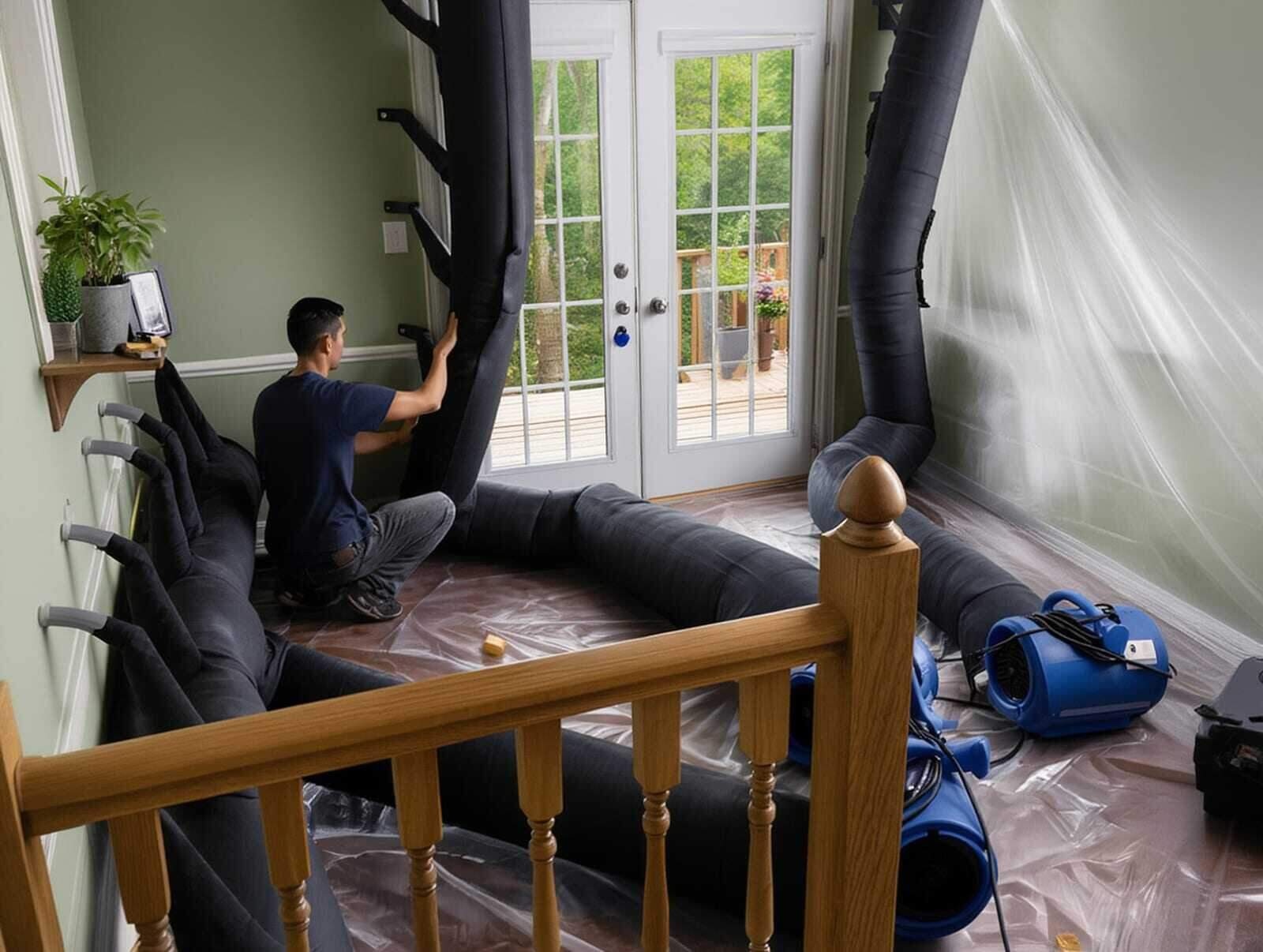
A ceiling repair done right starts above the drywall, not on it. Paint over a stain without addressing the water and the cavity stays wet, the framing rots, and the stain bleeds back through. Here's the order we work:
Find the Source
We trace the leak to where it actually enters — roof, AC line, or plumbing — and confirm it's stopped before anything else.
Dry the Cavity
We dry the attic insulation, ceiling drywall, and joists to a verified reading with the same structural drying equipment we use on any loss.
Repair the Drywall
We cut out unsalvageable drywall, replace it, and stain-block so the discoloration can't bleed through new paint.
Finish & Match
We texture and repaint to match the surrounding ceiling, so the repair disappears.
Ceiling Damage and Your Insurance
A ceiling damaged by a sudden covered event — a storm or hail roof leak, a burst pipe, an appliance failure upstairs — is usually covered by Texas homeowner policies. Hail and wind losses generally fall under a separate wind/hail deductible, often a percentage of your dwelling coverage rather than a flat amount, which catches a lot of homeowners by surprise. We document the interior damage from the first hour and bill the carrier directly. See our insurance claims guide for how hail claims work in Texas.
Frequently Asked Questions
Is a water-stained ceiling a sign of a bigger problem?
Usually, yes. A visible stain means water has been collecting above the ceiling, and what's wet up there — insulation, drywall, framing — is often more than what shows below. The stain itself is the symptom; the leak source and the wet cavity are the actual problem. Left alone, that trapped moisture rots the joists and grows mold in the attic. We find the source, check how far the water spread with meters, and dry it before repairing, so a small stain doesn't become a torn-out ceiling.
Can a sagging or bubbling ceiling be saved?
A bubbling, peeling, or lightly stained ceiling can often be dried, sealed, and repaired without full replacement if we catch it before the drywall loses integrity. A sagging or bulging ceiling is a different situation — it's holding pooled water and can collapse, so keep everyone clear of that section and call us right away. Whether a section is dried in place or cut out and replaced depends on how saturated the drywall is, which we confirm with moisture readings rather than guessing from the surface.
The Credentials Behind the Work


Stain Spreading on Your Dallas Ceiling? Call Us.
A ceiling stain means water above it — the sooner we find the source, the smaller the repair. Reach a real person on our Dallas line any time — 24/7 Emergency Response.
Call Now: (469) 895-7900