
Sewage Cleanup & Backup Restoration in Dallas, TX
A sewage backup isn't a normal water loss — it's a biohazard. SummitFrame Restore treats it as Category 3 contamination: contained extraction, removal of anything porous it touched, antimicrobial disinfection, and verified drying, so your home is safe to live in again.
- Biohazard PPE, containment & cleanup
- Category 3 — extract, disinfect & dry
- 24/7 emergency dispatch
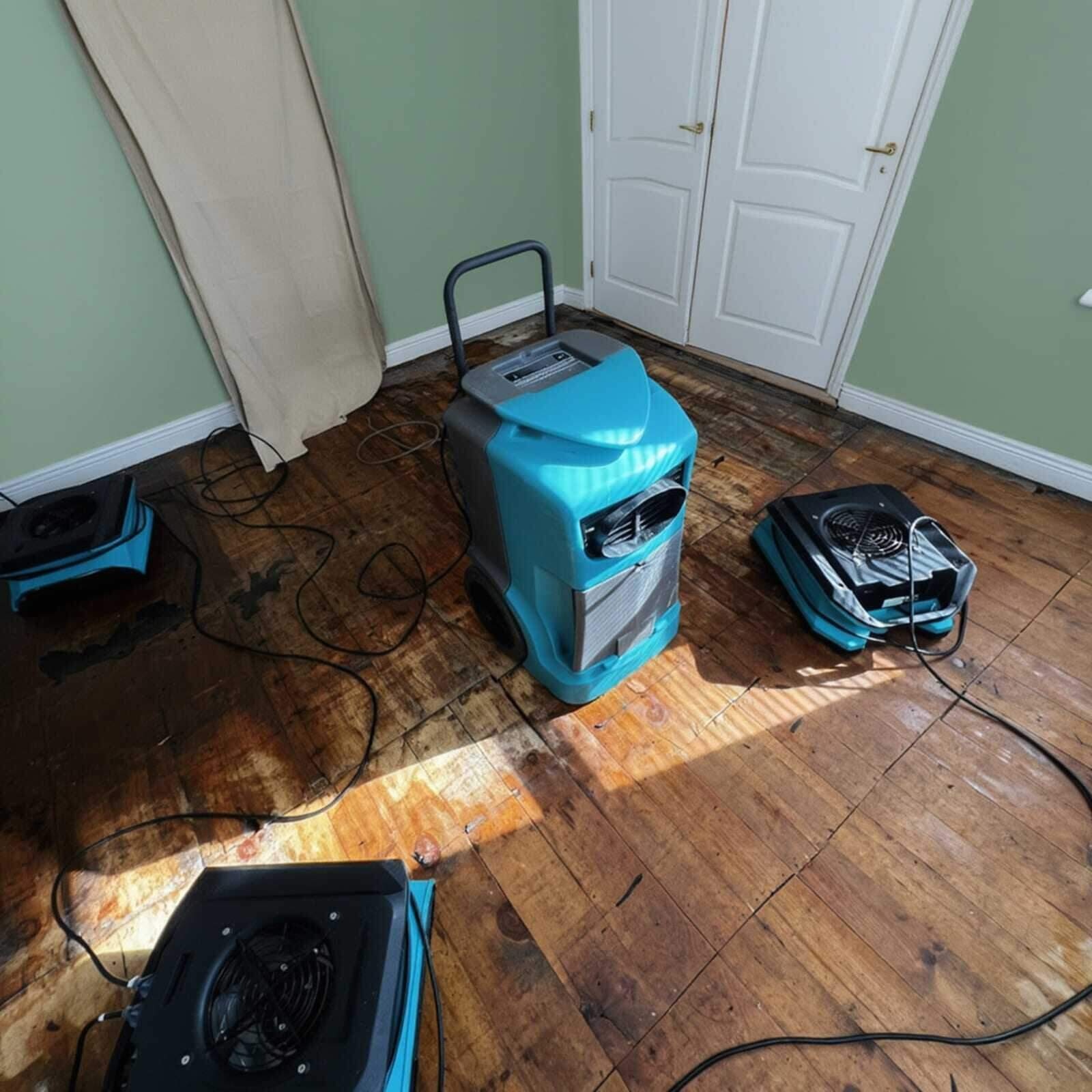
What Working With SummitFrame Restore Looks Like
Your call reaches our Regal Row base, never an out-of-state answering service. We roll a crew to most of the metro the same day.
Active IICRC certification, work that meets what manufacturers and insurers expect, and moisture logs that start within the first hour on site.
We deal with the adjuster and carry the paperwork — including the separate wind and hail deductible that catches so many Texas homeowners off guard.
The same outfit that extracts and dries your home also rebuilds it — no waiting on a separate contractor and no gap where the job stalls.
Why Sewage Backups Are a Health Hazard
Sewage carries bacteria, viruses, and parasites — E. coli, hepatitis, and others — along with the smell that drives everyone out of the room. The industry classifies it as Category 3 water, the most contaminated grade, which means it can't be cleaned and reused like a clean-water leak. Direct contact, and even breathing the aerosols a backup throws into the air, poses a real health risk, especially to children, the elderly, and anyone with a weakened immune system.
That's why a sewage backup is not a mop-and-bucket job. Standing on a contaminated floor to wipe it up spreads the hazard and exposes you to it. SummitFrame Restore responds to backups across Dallas in full protective gear, seals the area to keep the contamination from spreading, and follows the Category 3 protocol from extraction through disinfection. The goal isn't just to remove the water — it's to make the home genuinely safe again. If you have a backup, keep your family and pets out of the affected rooms and call us.
Aging Cast-Iron Sewer Lines in Dallas Homes
A lot of Dallas's sewage backups come down to the age of the pipe. Homes built before the 1970s — across the Swiss Avenue historic district, Lakewood, Oak Lawn, and the older pockets of East Dallas — were plumbed with cast-iron drain lines. Cast iron lasts decades, but it doesn't last forever. After fifty or sixty years it corrodes from the inside, scales over, cracks, and the joints sag, which narrows the line and traps everything that passes through it.
Then the North Texas clay does the rest. The same expansive Blackland soil that stresses water lines also shifts the buried sewer line as it swells and shrinks with the seasons, opening cracks and letting roots in. The result is a line that backs up under the slab or out of the lowest drain in the house — a tub, a floor drain, a first-floor toilet — usually at the worst possible time. We clean up the backup; a plumber addresses the line itself, and we coordinate so the home is dry and disinfected once the pipe is repaired.
Category 3 ("Black Water") Explained
Restoration sorts water into three categories by how contaminated it is, and the category drives what can be saved versus what has to go:
- Category 1
- Clean water from a sanitary source — a supply line or a fresh-water appliance fill. Safe to handle, and most materials can be dried in place.
- Category 2
- "Gray water" with some contamination — a washing-machine discharge or a dishwasher overflow. It can sicken on contact and degrades toward Category 3 if left.
- Category 3
- "Black water" — sewage, toilet backups past the trap, and ground-source intrusion. Grossly contaminated. Porous materials it soaks (carpet, pad, drywall, insulation) are removed and discarded, not dried.
The hard rule with Category 3 is that you don't dry and reuse what it saturated. Carpet, pad, drywall below the waterline, and insulation that absorbed it come out and are bagged for disposal. Hard, non-porous surfaces — tile, sealed concrete, finished wood — can be cleaned and disinfected. Drawing that line correctly is the difference between a home that's truly decontaminated and one that just looks clean.
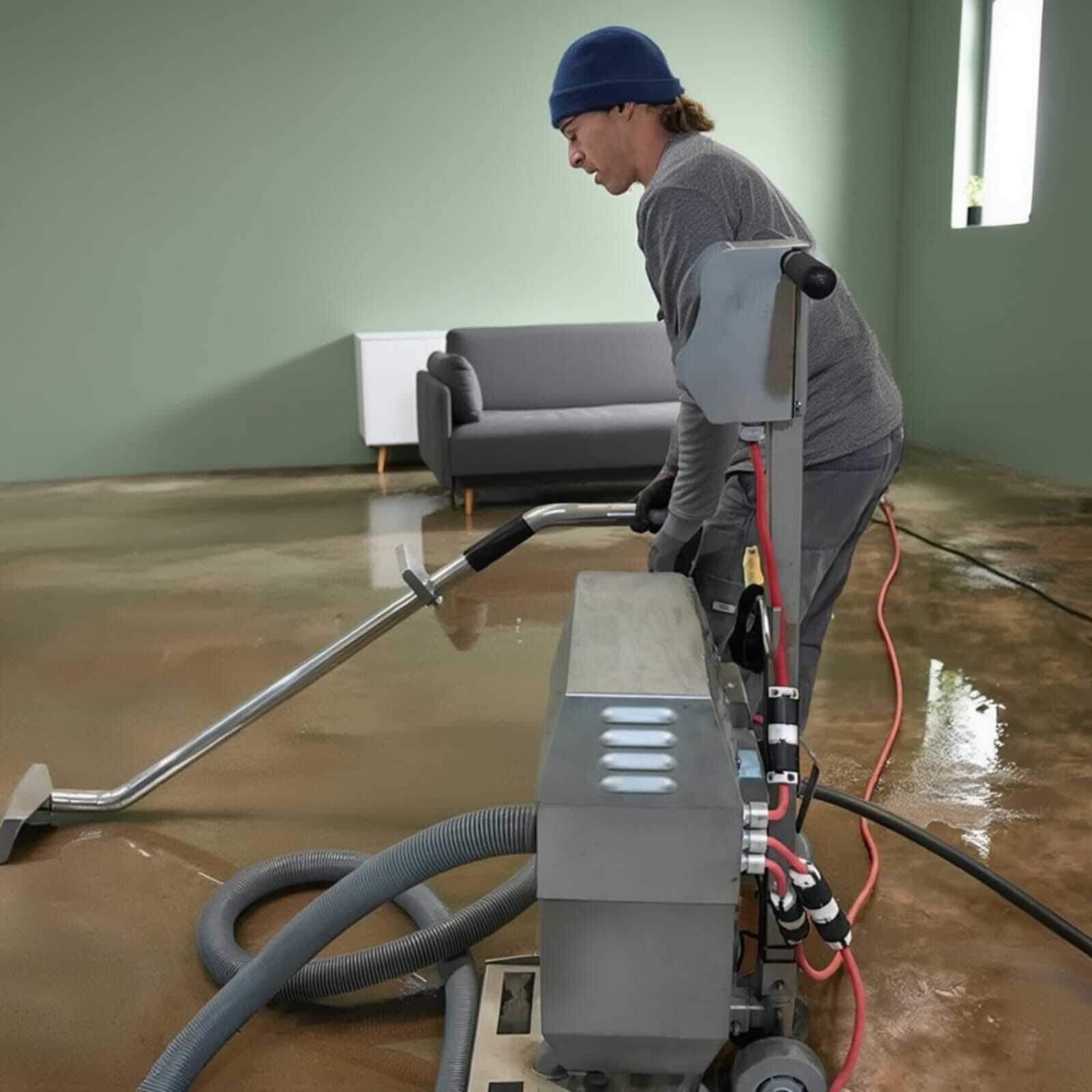
Our Sewage Cleanup & Sanitizing Process
Every sewage job runs the same disciplined sequence, built around containing the biohazard and verifying the result:
Contain & Extract
We seal off the area, suit up, and pump out the contaminated water with dedicated equipment.
Remove
Porous materials the sewage soaked are cut out, bagged, and hauled for proper disposal.
Disinfect
Hard surfaces are scrubbed and treated with EPA-registered antimicrobials, then deodorized.
Dry & Verify
Air movers and dehumidifiers bring the structure to a verified dry standard before any rebuild.
Pumping out the contamination is urgent — a backup spreads and degrades fast — so dedicated water removal is the first move on every sewage call.
Sewage Backups and Your Insurance
Sewer and drain backup is often covered by a specific endorsement rather than a base Texas homeowner policy — many homeowners have to add "sewer backup" coverage, and it carries its own limit. We document the contamination, the materials removed, and the disinfection thoroughly, which is what supports the claim either way, and we bill the carrier directly for covered work. Check whether your policy includes the backup endorsement, and see our insurance claims guide for how Texas claims proceed. We also handle any mold that follows if the backup sat.
Frequently Asked Questions
Is a sewage backup dangerous to my family?
Yes. Sewage is Category 3 water — it carries bacteria, viruses, and parasites, and the aerosols it releases can be inhaled. The risk is highest for children, older adults, and anyone with a compromised immune system. Keep everyone, including pets, out of the affected rooms, don't touch the water or contaminated items, and shut off the HVAC so it isn't pulling the contamination through the house. Then call us — we arrive in protective gear and contain it.
Can affected carpet and drywall be saved after a sewage backup?
Generally, no. Porous materials that absorb Category 3 water — carpet, the pad beneath it, drywall below the waterline, and insulation — can't be reliably disinfected, so the standard is to remove and discard them. Hard, non-porous surfaces like tile, sealed concrete, and finished hardwood can be cleaned, disinfected, and kept. We make the salvage-versus-remove call material by material and explain each one, so you're not paying to tear out anything that could safely stay.
How do you sanitize after a sewage backup?
After extraction and removal of contaminated porous materials, we clean every hard surface that stays and treat it with EPA-registered antimicrobials to kill the pathogens, then deodorize to clear the smell. We dry the structure to a verified moisture reading so nothing damp is left to grow mold, and we document the whole process. Sanitizing isn't a single spray — it's clean, disinfect, dry, and verify, in that order.
The Credentials Behind the Work


Sewage Backup in Your Dallas Home? Don't Touch It — Call Us.
The contamination spreads and the smell sets in fast. Reach a real person on our Dallas line any time — 24/7 Emergency Response.
Call Now: (469) 895-7900