
Appliance & Water Heater Leak Cleanup in Dallas, TX
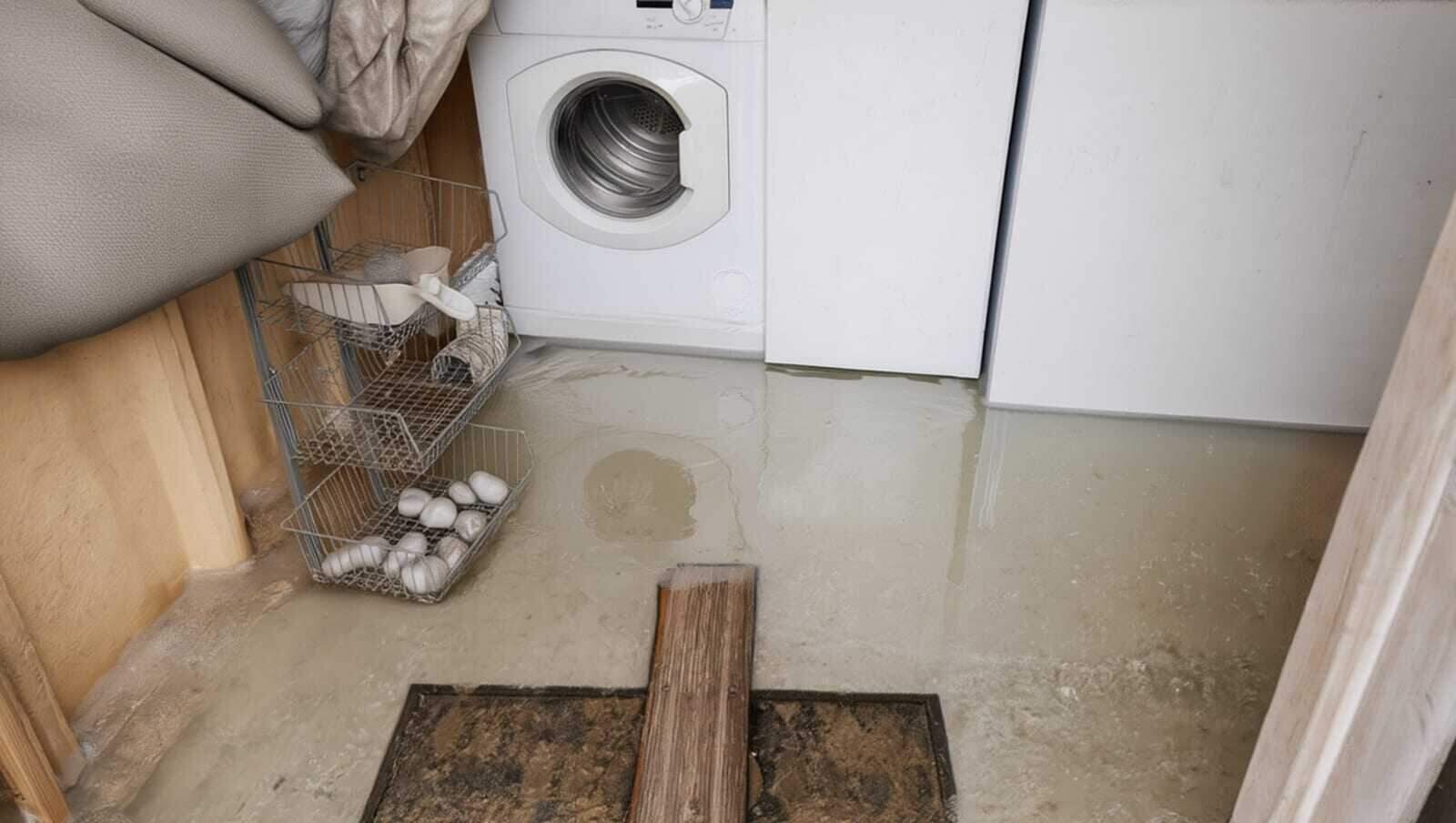
A water heater fails or a washer hose lets go and quietly soaks the room for hours. SummitFrame Restore extracts the water, dries the cabinets, walls, and subfloor the leak reached, and verifies it's dry — because the moisture an appliance leak leaves behind is where the mold starts.
- Water heaters, washers, dishwashers & pans
- We dry the cabinet & wall cavity
- 24/7 emergency dispatch
What Working With SummitFrame Restore Looks Like
Your call reaches our Regal Row base, never an out-of-state answering service. We roll a crew to most of the metro the same day.
Active IICRC certification, work that meets what manufacturers and insurers expect, and moisture logs that start within the first hour on site.
We deal with the adjuster and carry the paperwork — including the separate wind and hail deductible that catches so many Texas homeowners off guard.
The same outfit that extracts and dries your home also rebuilds it — no waiting on a separate contractor and no gap where the job stalls.
Common Appliance Leaks We Clean Up in Dallas Homes
Appliance leaks share a frustrating trait: they often run unseen. A supply line behind the dishwasher or a slow drip under the sink can release water for hours or days before anyone notices, soaking the cabinet, the wall behind it, and the subfloor. By the time water reaches open floor, the hidden damage is already done. These are the failures we clean up most across Dallas:
Water heaters
A tank that corrodes through or a relief valve that fails dumps 40 to 50 gallons at once, plus whatever keeps flowing until the supply is shut off. Heaters in attics and second-floor closets do the most damage.
Washing machines
The rubber supply hoses behind a washer are the most common appliance failure in any home — they crack with age and let go under full house pressure, flooding the laundry room while no one's there.
Dishwashers & sinks
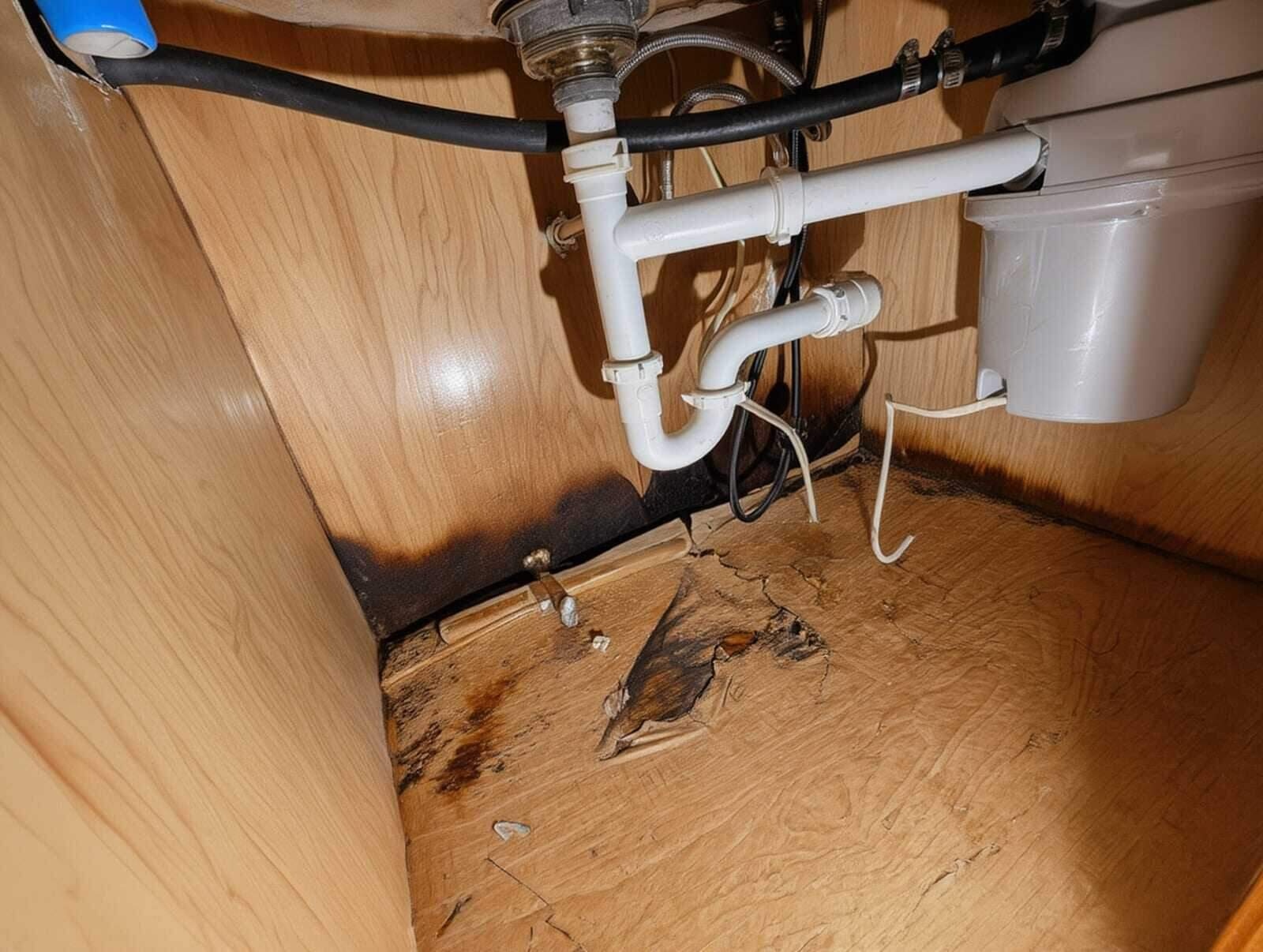
Dishwasher supply lines, drain connections, and under-sink shutoffs and P-traps fail slowly, soaking the cabinet base and the subfloor beneath before the leak ever reaches the open kitchen floor.
Refrigerator ice-maker lines
The thin plastic line feeding an ice maker is easy to forget and easy to fail, dripping behind the fridge onto the floor and into the cabinet next to it for weeks.
Water Heater, Washer & Dishwasher Failures
One Dallas-specific source belongs on this list that catches a lot of homeowners off guard: the AC condensate pan. With air conditioning running much of the year here, the system pulls humidity out of the air and drains it through a condensate line. When that line clogs with algae or the secondary drain pan rusts through — common on attic air handlers — the water overflows onto the ceiling and into the rooms below, sometimes for the whole cooling season before it's noticed. It behaves exactly like an appliance leak, and we treat it the same way.
What every one of these has in common is that the damage hides. The water soaks into the cabinet kickplate, wicks up the wall behind the appliance, and spreads across the subfloor — so by the time you see it, the visible puddle is the smallest part. That's why we don't just mop and leave. We map where the water actually traveled and dry all of it, because a "cleaned up" appliance leak that left a wet wall cavity is a mold problem in the making.
There's also the shared-wall problem in a kitchen. The cabinet run, the dishwasher, the sink, and the fridge often back onto the same wall, so a leak at one can travel behind the cabinets and surface two appliances over — you mop up under the sink while the real water is sitting behind the dishwasher. We check the whole wet path with a meter rather than treating the spot you happened to notice, which is how a small leak gets fully dried instead of half-dried and quietly left to grow mold behind a cabinet you never open.
Our Cleanup & Drying Process
The work is straightforward, and doing each step properly is what keeps a contained appliance leak from becoming a torn-out kitchen wall:
Stop & Extract
We confirm the supply is shut off, then extract standing water from the floor, cabinet base, and any pad or carpet.
Find the Hidden Water
Moisture meters and thermal imaging show where the leak traveled — up the wall, under the cabinet, across the subfloor.
Dry to Standard
Air movers and dehumidifiers, with cabinet and wall-cavity drying where needed, bring everything to a verified dry reading.
Restore
We repair or replace damaged cabinet bases, drywall, and flooring, back to how the room was before the leak.
For a larger appliance flood, fast water removal is the first priority. For a slow leak that's already left a musty smell, the issue may have crossed into mold territory, which we also handle.
Frequently Asked Questions
My water heater flooded my Dallas home — what should I do first?
Shut off the water to the heater first — there's a valve on the cold-water line into the top of the tank, or you can close the home's main. Then turn off power to the unit: flip the breaker for an electric heater, or set the gas control to "off" for a gas one. Move valuables out of the water and stay clear of any wet electrical. Then call us. A water heater can release 40 to 50 gallons plus whatever keeps flowing, so fast extraction makes a real difference to how much of the room is salvageable.
How do appliance leaks connect to mold risk in my home?
Appliance leaks are a leading mold cause precisely because they hide. Water wicks into the cabinet base, the wall behind the appliance, and the subfloor, where it stays dark and damp — the conditions mold needs — long after the visible floor looks dry. A musty smell near a dishwasher, sink, or laundry area, with no obvious puddle, is often mold that started from a slow leak. We find and dry the hidden moisture to a verified reading, which is what stops mold before it begins. When it's already started, we contain and remove it.
The Credentials Behind the Work


Appliance Leak in Your Dallas Home? Call Us to Dry It Right.
The water you can see is the smallest part — we find and dry the rest. Reach a real person on our Dallas line any time — 24/7 Emergency Response.
Call Now: (469) 895-7900