
Water Removal & Extraction in Dallas, TX
The damage from standing water climbs sharply for every hour it sits. SummitFrame Restore gets it out fast with truck-mounted extractors and submersible pumps, then dries the structure down to verified moisture readings — not just dry where you can feel it.
- Same-day emergency water removal
- Truck-mounted extractors & pumps
- We log the loss & bill your carrier
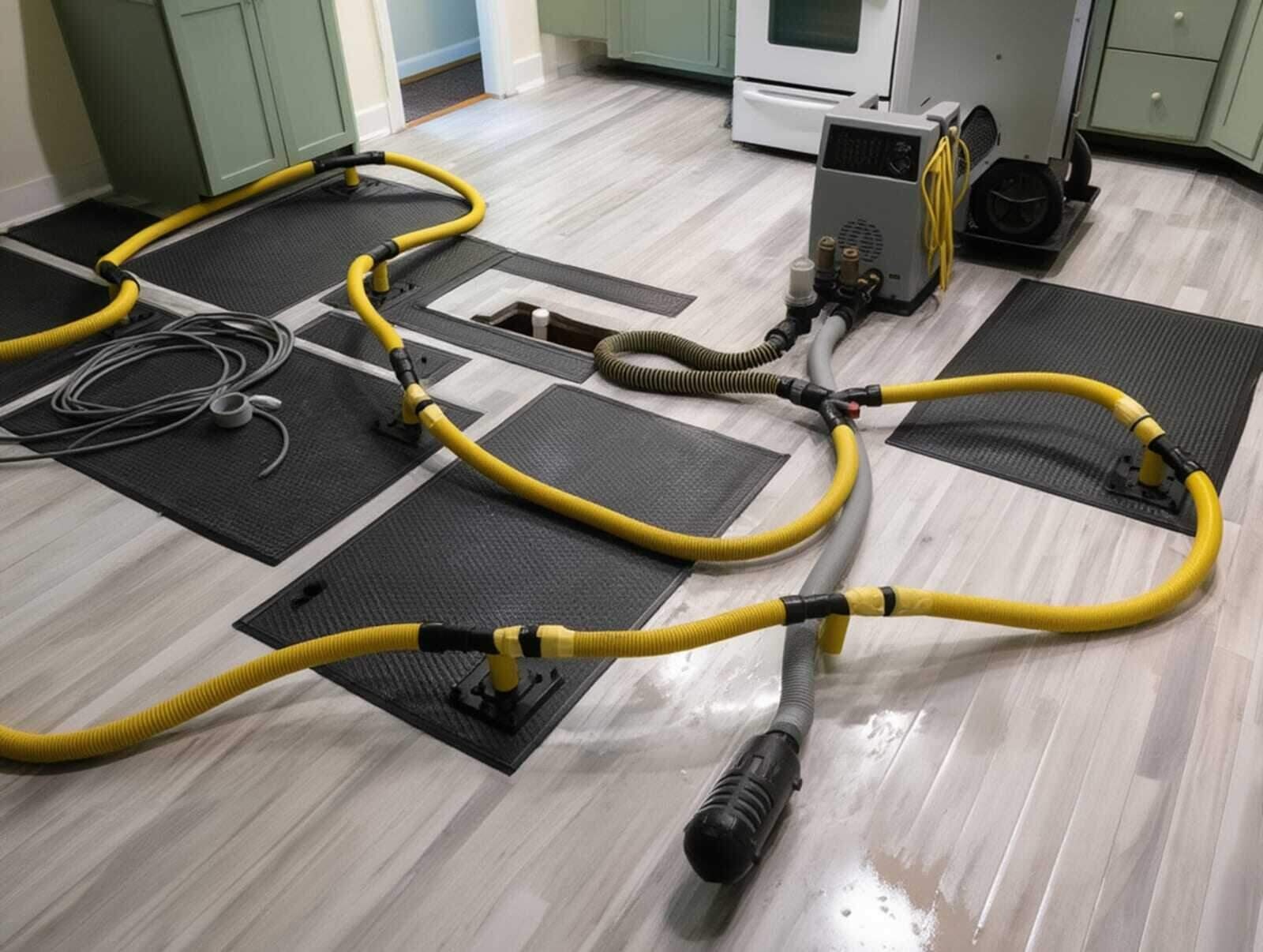
What Working With SummitFrame Restore Looks Like
Your call reaches our Regal Row base, never an out-of-state answering service. We roll a crew to most of the metro the same day.
Active IICRC certification, work that meets what manufacturers and insurers expect, and moisture logs that start within the first hour on site.
We deal with the adjuster and carry the paperwork — including the separate wind and hail deductible that catches so many Texas homeowners off guard.
The same outfit that extracts and dries your home also rebuilds it — no waiting on a separate contractor and no gap where the job stalls.
Fast Standing-Water Removal in Dallas
Call SummitFrame Restore the moment you find standing water — a slab leak under the hardwood, an AC condensate pan overflowing into the hall, two inches across the laundry room from a failed washer hose. We dispatch from our base on Regal Row in northwest Dallas, reach most of the metro within hours via I-35E, Loop 12, and I-635, and start pulling water out as soon as we arrive. The sooner extraction begins, the more flooring, baseboard, and drywall we can save instead of tear out.
Emergency water removal is the first phase of restoration. Get the water gone, and the structural drying phase is shorter, mold has less time to start, and your repair bill drops. Wait, and water wicks deeper into the subfloor and wall cavities where you can't see it.
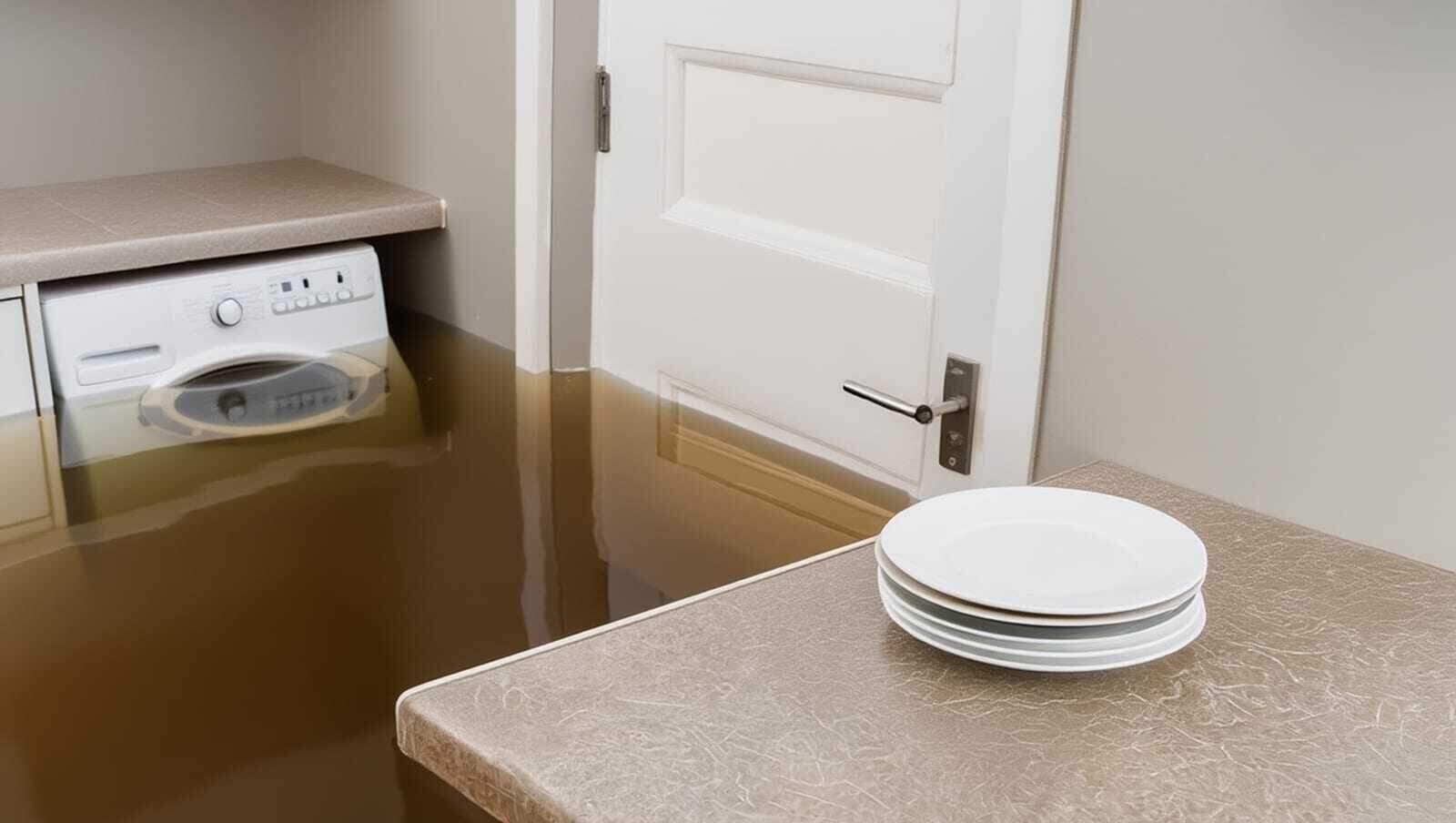
One detail specific to North Texas: because homes here sit on a concrete slab rather than over a basement, water has nowhere to drain. It spreads flat and wide across the floor and pushes into the bottom plate of every wall it reaches. A leak that looks like a small puddle has often already traveled under the baseboards into the next room. That's why we map the full wet area with meters before we decide what to extract and what to remove. Surface water hides the real footprint.
Equipment We Use to Extract Water
The right tool depends on how much water there is and where it sits. We bring all of it to every job:
- Truck-Mounted Extractors
- High-volume vacuum units pull large quantities of water from carpet, pad, and hard floors far faster than a portable shop vac, with the waste tank staying outside in the truck.
- Submersible & Trash Pumps
- For deep standing water — a flooded utility room or a sewage backup — pumps move hundreds of gallons quickly before the extraction stage begins.
- Weighted Extraction Tools
- Stand-on and squeegee extraction wands press water up out of carpet pad and subfloor, removing far more than vacuuming the surface alone.
- Moisture Meters & Thermal Imaging
- Pin and pinless meters plus an infrared camera find hidden water in walls and under flooring, so nothing wet gets left behind to rot or grow mold.
From Extraction to Complete Drying
Removing the visible water is only half the job. Materials stay saturated underneath, so extraction flows straight into structural drying:
Stop & Assess
We find the source, stop the inflow if it's still running, and map the wet area with moisture meters.
Extract
Pumps and extractors pull standing water from floors, pad, and wall cavities.
Dry
Air movers and dehumidifiers run until readings confirm materials are back to a dry standard.
Verify
We re-check moisture daily and document the readings — the same record your adjuster wants.
When Water Removal Is Time-Critical
Dallas homes are slab-on-grade, so water spreads sideways across the floor instead of draining to a basement. That makes fast extraction matter even more. The wider the water travels, the more flooring and baseboard it touches. The calls we run most often:
Slab leaks on North Texas clay
Expansive Blackland clay shifts with the seasons and stresses the copper supply lines under the slab. A failed line wicks water up through hardwood and carpet for days — often noticed only by a warm spot underfoot or a jump in the water bill.
AC condensate overflow
Dallas runs its air conditioning for much of the year. A clogged condensate line or a cracked drain pan quietly drips into ceilings and closets through the cooling season.
Appliance & supply-line failures
Washing-machine hoses, dishwasher lines, water-heater tanks, and ice-maker supply lines fail without warning and can release water for hours before anyone is home.
Burst pipes after a hard freeze
February 2021's Winter Storm Uri burst pipes. When a freeze hits, a single cracked line can flood several rooms once the thaw arrives.
We Handle the Insurance Side
Most standard Texas homeowner policies cover a sudden water loss — a pipe that lets go, an appliance that fails, a supply line that breaks behind a wall. From the first hour on site, we record moisture readings, photograph the damage, and scope the loss — the documentation your adjuster needs. We work directly with your carrier and bill them for the covered work, so you deal with your home, not a claims file. See our water damage insurance claims guide for how the process works in Texas, or contact our Dallas team any time.
Frequently Asked Questions
What's the actual process for getting standing water out?
We match the equipment to the loss. Deep standing water — a flooded utility room or a sewage backup — gets pumped out first with submersible pumps. Then truck-mounted extractors and weighted extraction wands pull water out of carpet, pad, and subfloor. Moisture meters and an infrared camera show us where water hid in walls and under flooring so nothing wet gets left behind.
How long will the whole job take?
The extraction itself is usually a few hours, depending on how much water there is and how far it spread. Drying the structure afterward is the longer phase — typically three to five days of air movers and dehumidifiers, with daily moisture checks. A clean burst-pipe leak dries faster than a slab leak that soaked hardwood for a week before anyone noticed.
Once the water's out, what comes next?
Extraction flows straight into structural drying. We set commercial air movers and dehumidifiers, then track moisture readings every day until materials are back to a dry standard — not just dry to the touch. Once readings confirm the structure is genuinely dry, we move into repair: drywall, flooring, baseboard, and paint, back to pre-loss condition.
The Credentials Behind the Work


Standing Water in Your Dallas Home? Call Now.
The faster we extract, the less you tear out and rebuild. Reach a real person on our Dallas line any time — 24/7 Emergency Response.
Call Now: (469) 895-7900