
Mold Removal & Remediation in Dallas, TX
Mold is a moisture problem before it's a surface problem. SummitFrame Restore finds the water feeding it — often a slow slab leak or an old roof leak — seals the area off to S520 standard, removes the mold, and verifies the air before we hand the room back.
- IICRC S520 containment & HEPA filtration
- We fix the moisture source, not just mold
- Post-remediation clearance testing
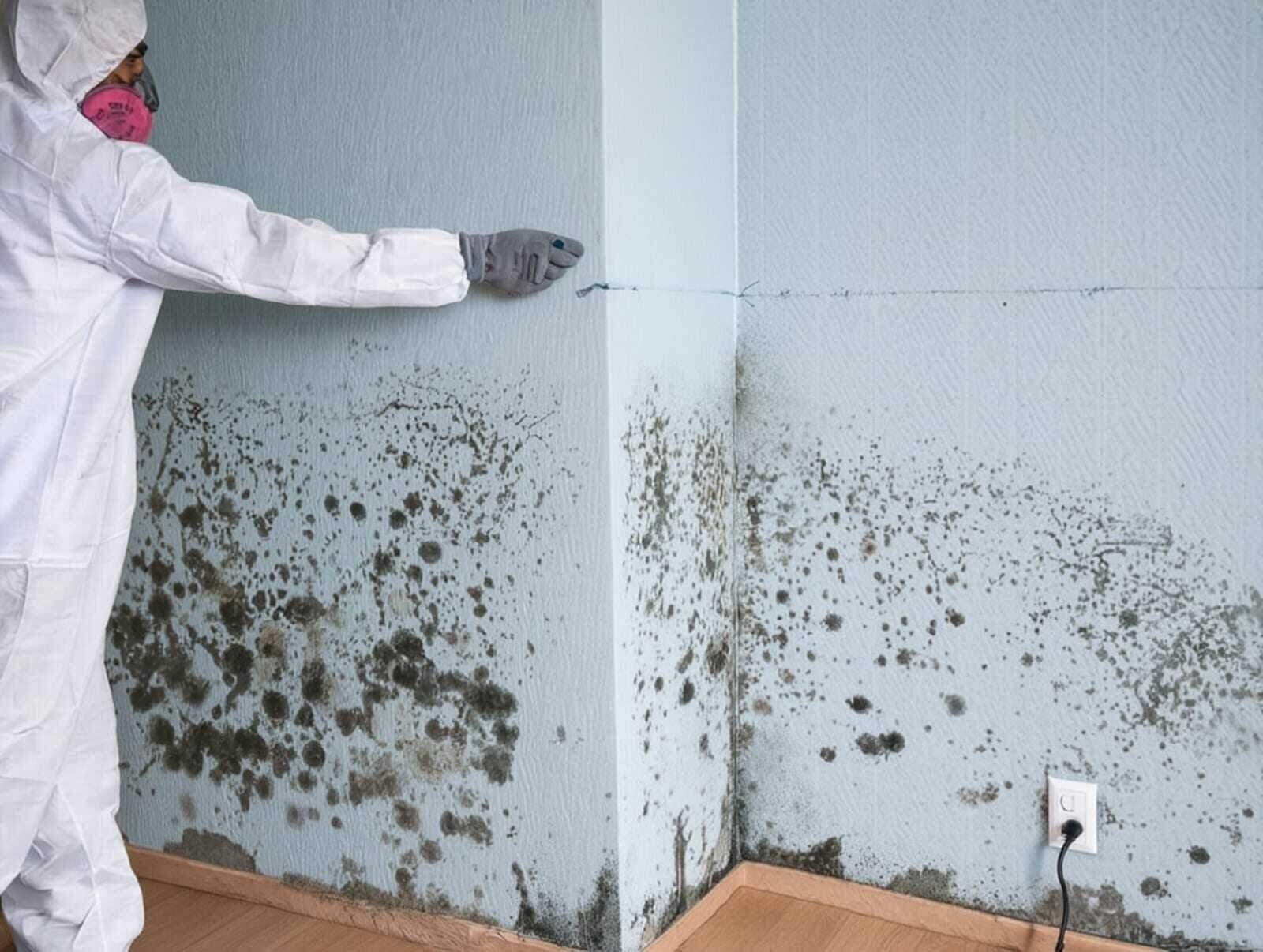
What Working With SummitFrame Restore Looks Like
Your call reaches our Regal Row base, never an out-of-state answering service. We roll a crew to most of the metro the same day.
Active IICRC certification, work that meets what manufacturers and insurers expect, and moisture logs that start within the first hour on site.
We deal with the adjuster and carry the paperwork — including the separate wind and hail deductible that catches so many Texas homeowners off guard.
The same outfit that extracts and dries your home also rebuilds it — no waiting on a separate contractor and no gap where the job stalls.
When Water Damage Leads to Mold in Dallas Homes
Most mold SummitFrame Restore removes in Dallas traces back to water that was never fully dried. Mold needs three things — moisture, an organic surface, and time — and a leak that dries on its own supplies all three. Spores are always in the air; give them a damp baseboard or a wall cavity that stayed wet, and a colony can take hold within a couple of days. Dallas is drier than the Gulf Coast, so we don't see the runaway, year-round humidity growth that subtropical cities do. What we see instead is mold driven by a specific, fixable water source.
That distinction shapes how we work. Wipe the visible spots and the moisture underneath keeps growing more behind the drywall. So we treat mold as a moisture problem first: until the water source is under control, anything scrubbed off comes back. The common sources we trace in North Texas homes include a slow supply-line drip, a hail-damaged roof that leaked into the attic, an AC condensate pan overflowing all summer, and floors that felt dry on top but held water in the subfloor. Fast water removal and proper structural drying after any leak are what keep mold from ever starting.
Mold After Slab Leaks — A Dallas-Specific Risk
Slab leaks are the mold source homeowners here miss most. Dallas sits on expansive Blackland clay that swells when wet and shrinks in drought, and that constant movement stresses the copper water lines run through the concrete slab. When one fails, it doesn't gush — it seeps. Water travels under the slab and wicks up into the bottom plates of walls and the underside of flooring, often for weeks, with no puddle to give it away. The first sign is frequently a musty smell or mold appearing along a baseboard with no obvious leak above it.
By the time mold shows on the surface, the moisture has usually been feeding it inside the wall and subfloor for a while. We map the full wet area with meters before deciding what comes out, because the visible patch is almost always the small part. Find and stop the slab leak, dry the structure to a verified standard, and then the mold remediation actually holds.
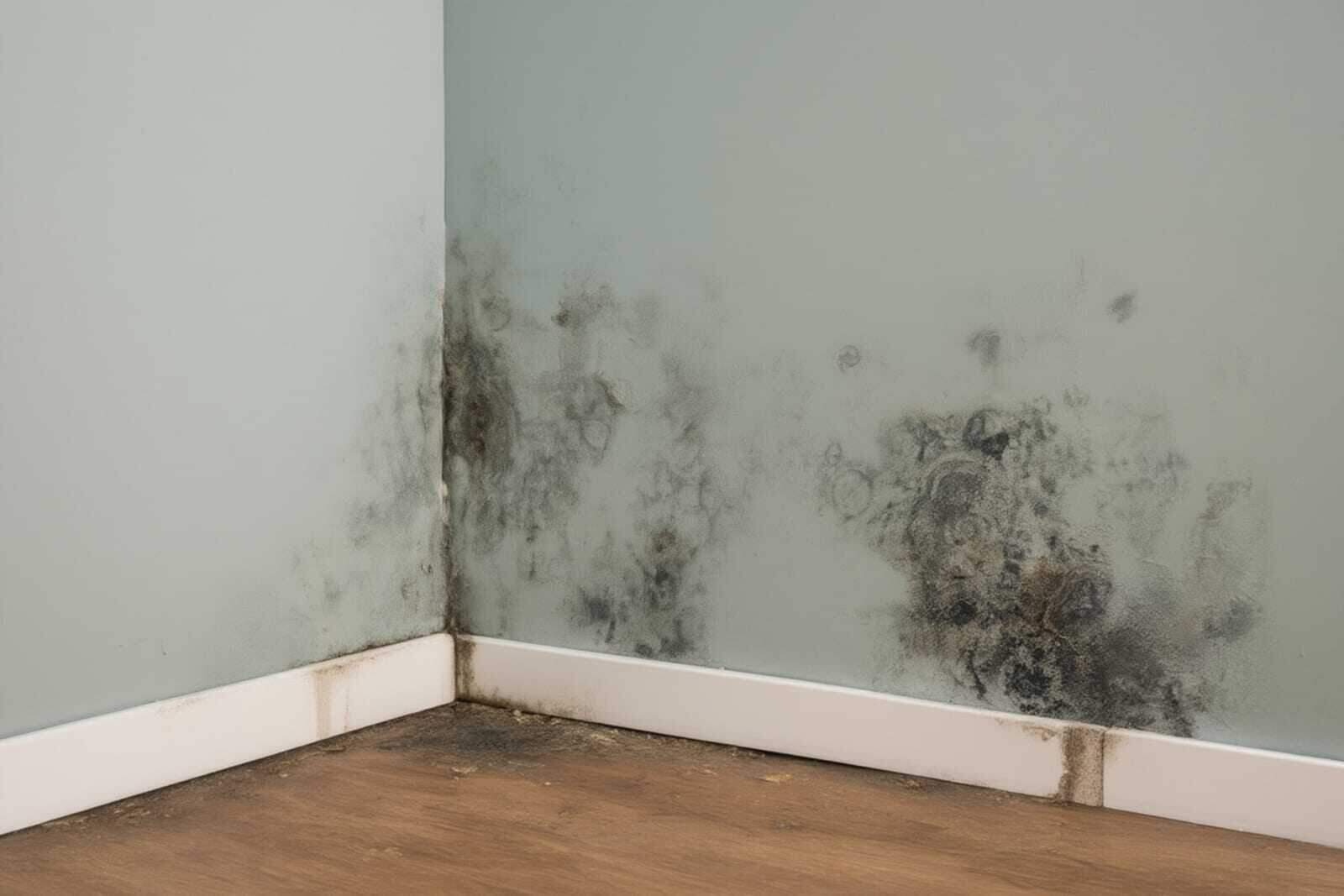
Mold Inspection & Testing
Before anything comes out, we find out how far the mold goes. The patch on a visible wall is often the edge of a colony reaching into the cavity, subfloor, or HVAC system. Our inspection maps the full extent so the scope is right the first time:
- Moisture Mapping
- Pin and pinless meters plus an infrared camera trace the damp areas feeding the mold — behind walls, under floors, and around slab penetrations.
- Air & Surface Sampling
- When the situation calls for it, we collect air and tape-lift samples and send them to a lab to confirm spore type and concentration.
- Written Scope
- You get a clear plan of what's affected, what's coming out, and what stays — before any work begins.
- Source Identification
- We pin down the moisture source, because remediation that doesn't fix the leak is temporary.
Our Mold Containment & Removal Process
Mold spreads by releasing spores, so the entire job is built around not scattering them into the rest of your home. We follow the IICRC S520 standard from containment through clearance:
Contain
Plastic barriers and negative air pressure seal off the work area so spores can't drift into clean rooms.
Filter
HEPA air scrubbers run throughout, capturing airborne spores while the work is underway.
Remove
We remove mold-laden materials that can't be saved, then HEPA-vacuum and treat what stays.
Verify
Once it's dry and clean, we re-check — and re-sample where it was tested — to confirm levels are back to normal.
Black Mold: Risks and Safe Removal
When homeowners say "black mold," they're usually picturing Stachybotrys chartarum — the dark, greenish-black species that feeds on cellulose-rich, chronically damp materials. Drywall, the paper face on insulation, and wet ceiling board are its favorites, which is exactly what a slow slab leak or an unaddressed roof leak leaves behind. It carries a heavy, musty odor, and prolonged exposure can bring on respiratory irritation, headaches, and allergy-like symptoms — sharper for anyone with asthma or a weakened immune system.
Color alone doesn't tell you which mold you have, and it doesn't change the safe approach: contain the area, control the air, and remove the affected material without disturbing it into the rest of the house. That's why aggressive DIY scrubbing tends to make black mold worse — it aerosolizes the spores. We handle it inside sealed containment with HEPA filtration and proper protective gear, then verify the air before the containment comes down.
Does Insurance Cover Mold Remediation?
Texas homeowner policies often cover mold when it results from a sudden, covered water loss — a burst pipe or an appliance failure you reported and addressed — though many carry a separate mold sublimit or exclude mold from long-term, unaddressed leaks. We document the moisture source and the affected area thoroughly, which is what supports the claim, and we bill the carrier directly for covered work. For how Texas water-damage and mold claims play out, see our insurance claims guide.
Frequently Asked Questions
How soon does mold grow after water damage in Dallas?
Given the right conditions, mold can begin within 24 to 48 hours of materials staying wet. Dallas is drier than the Gulf Coast, so a quickly extracted and properly dried leak often won't grow mold at all — the risk comes from water that sits, like a slow slab leak under the floor or a roof leak in the attic. That's why fast extraction and drying to a verified moisture standard, not just dry to the touch, is the real mold prevention.
Do you test for mold before removal?
We always map the moisture and assess the visible extent. Formal lab testing — air and tape-lift samples — we do when it's warranted: to confirm the type, to establish a baseline for clearance, or when a sale or a health concern calls for documentation. Testing isn't needed on every job, and we'll tell you honestly whether it adds value to yours. Where we test before, we re-sample after to verify the work.
Is black mold dangerous, and how is it removed safely?
Black mold can irritate the respiratory system, especially for people with asthma, allergies, or weakened immune systems. The danger increases when it's disturbed and spores go airborne, which is exactly what household scrubbing does. We remove it inside sealed containment under negative air pressure, with HEPA scrubbers running and crew in protective gear, then verify the air is clear before reopening the space. Don't sand, scrape, or bleach it yourself.
Can a slab leak cause mold under my floors?
Yes — it's one of the most common hidden causes we see in Dallas. A failed line under the slab seeps water up into wall plates and flooring for weeks before anyone notices, and that quiet moisture feeds mold inside walls and under floors where you can't see it. A musty smell with no visible leak, or mold at a baseboard, is a classic sign. We trace and confirm the slab leak first, dry the structure, then remediate — otherwise the mold simply returns.
The Credentials Behind the Work


Smell Mold or Found a Leak? Call Our Dallas Team.
The sooner we find the moisture source, the smaller the remediation. Reach a real person on our Dallas line any time — 24/7 Emergency Response.
Call Now: (469) 895-7900