
Water Damage Restoration in Dallas, TX
Slab leaks, roof leaks, burst pipes, sewage backup — our IICRC-certified Dallas crew is on it fast, photographs and measures the loss for your claim, and dries and restores your home back to where it was.
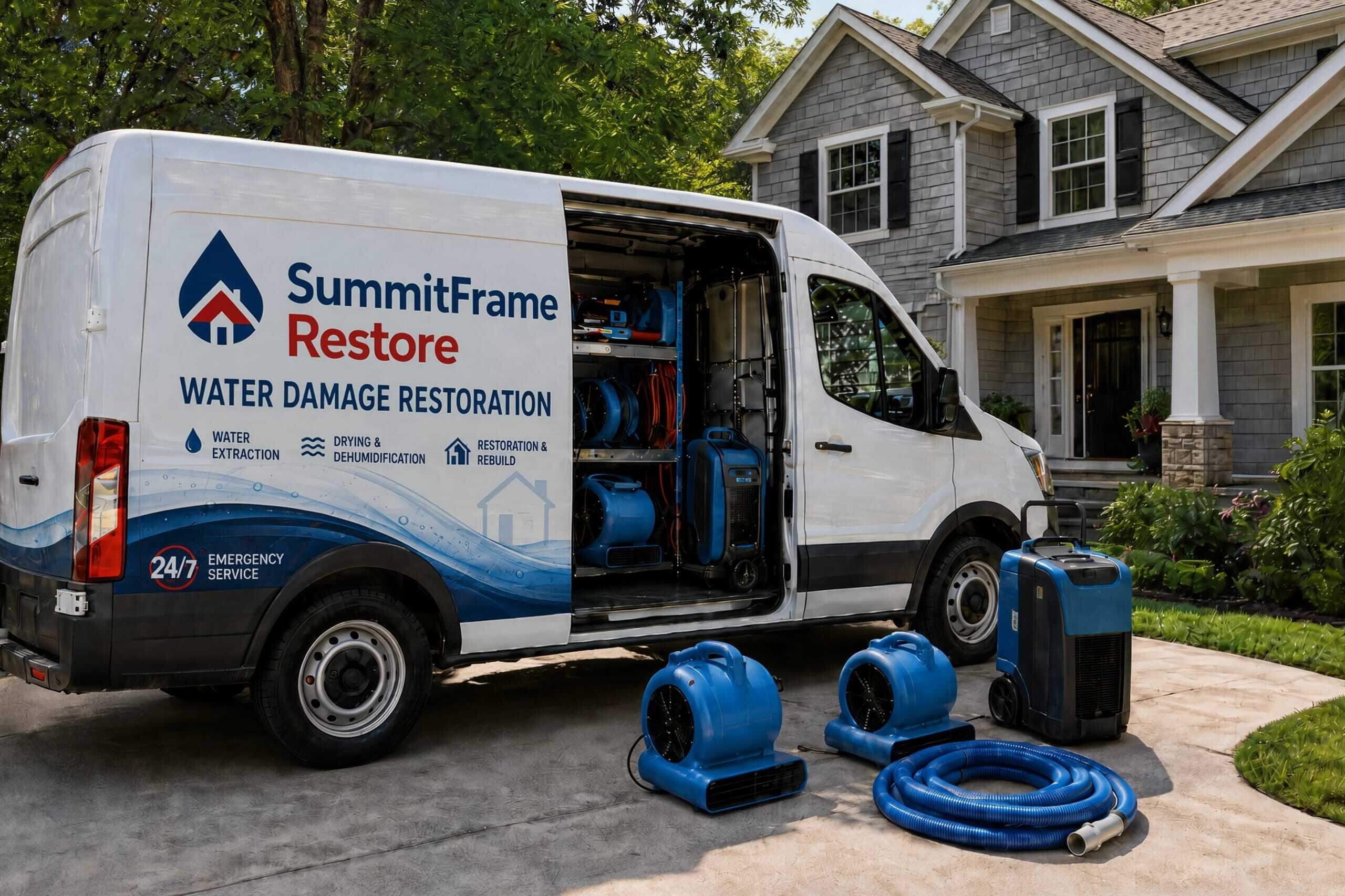
One Crew for the Whole Recovery
We're a Dallas restoration company that carries a water loss from start to finish — emergency extraction, cleanup, structural drying, mold remediation, and the rebuild — so you're not juggling separate contractors.
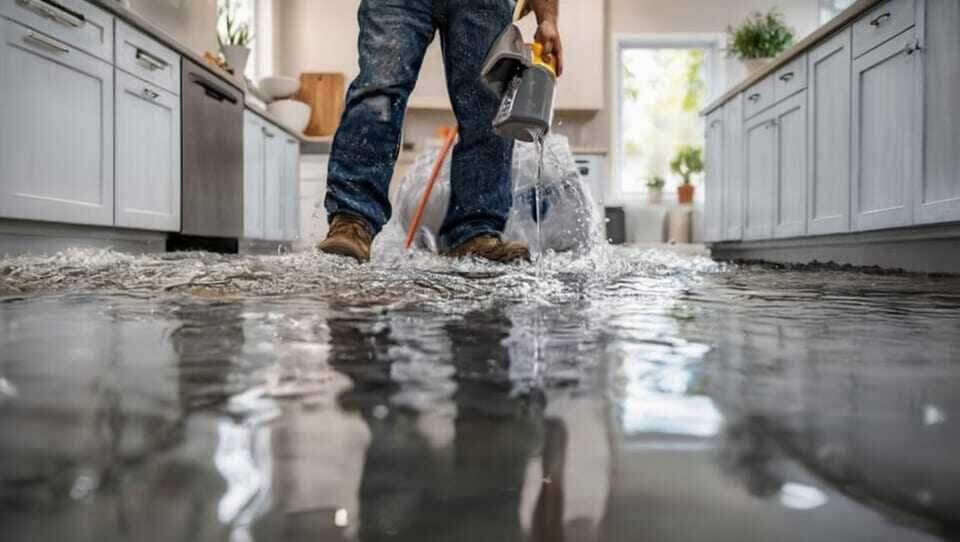
Emergency Water Removal
A crew rolling the same day, anywhere in DFW. Standing water keeps damaging the home until it's gone.
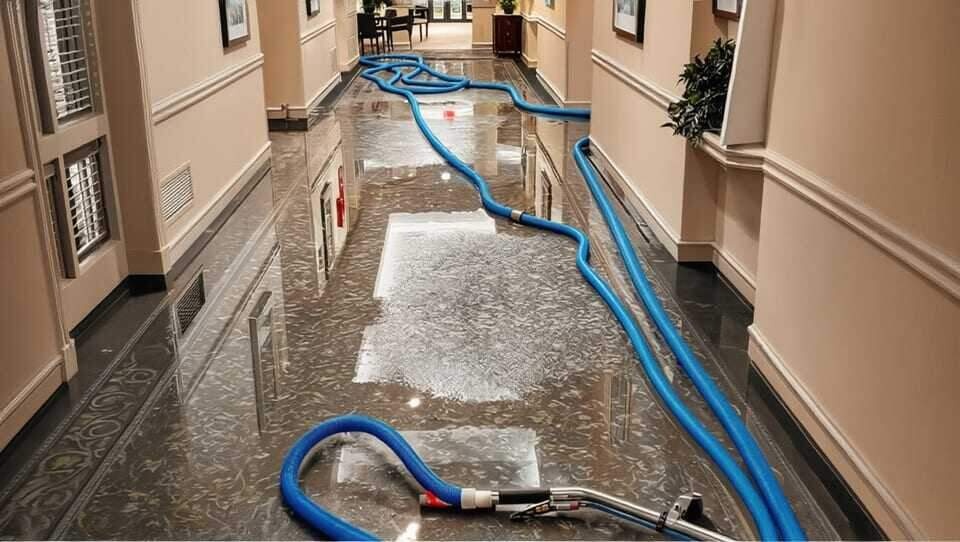
Water Extraction
Truck-mounted extractors and submersible pumps draw water out of carpet, wall cavities, and the subfloor underneath.
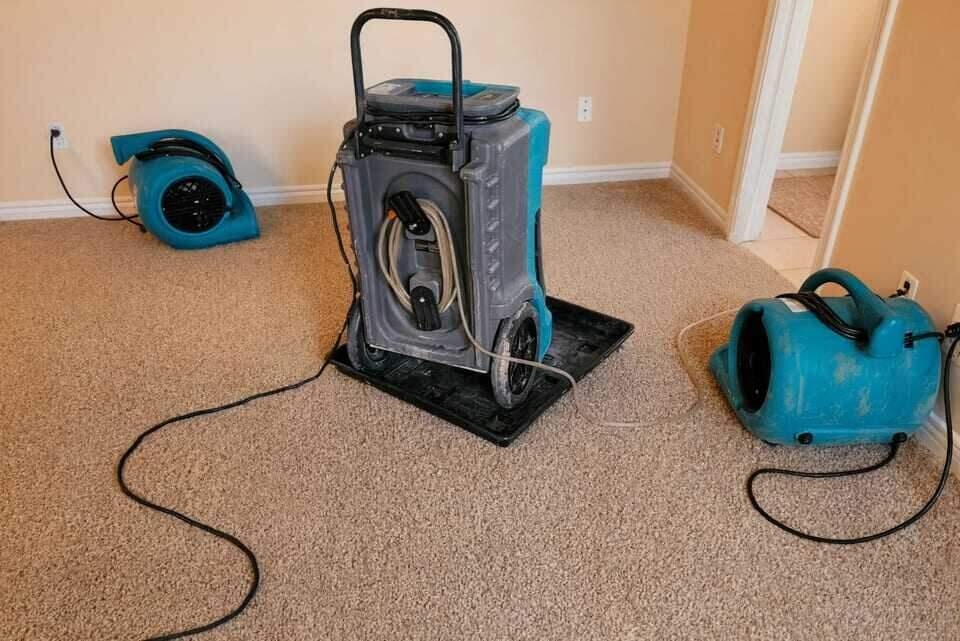
Structural Drying
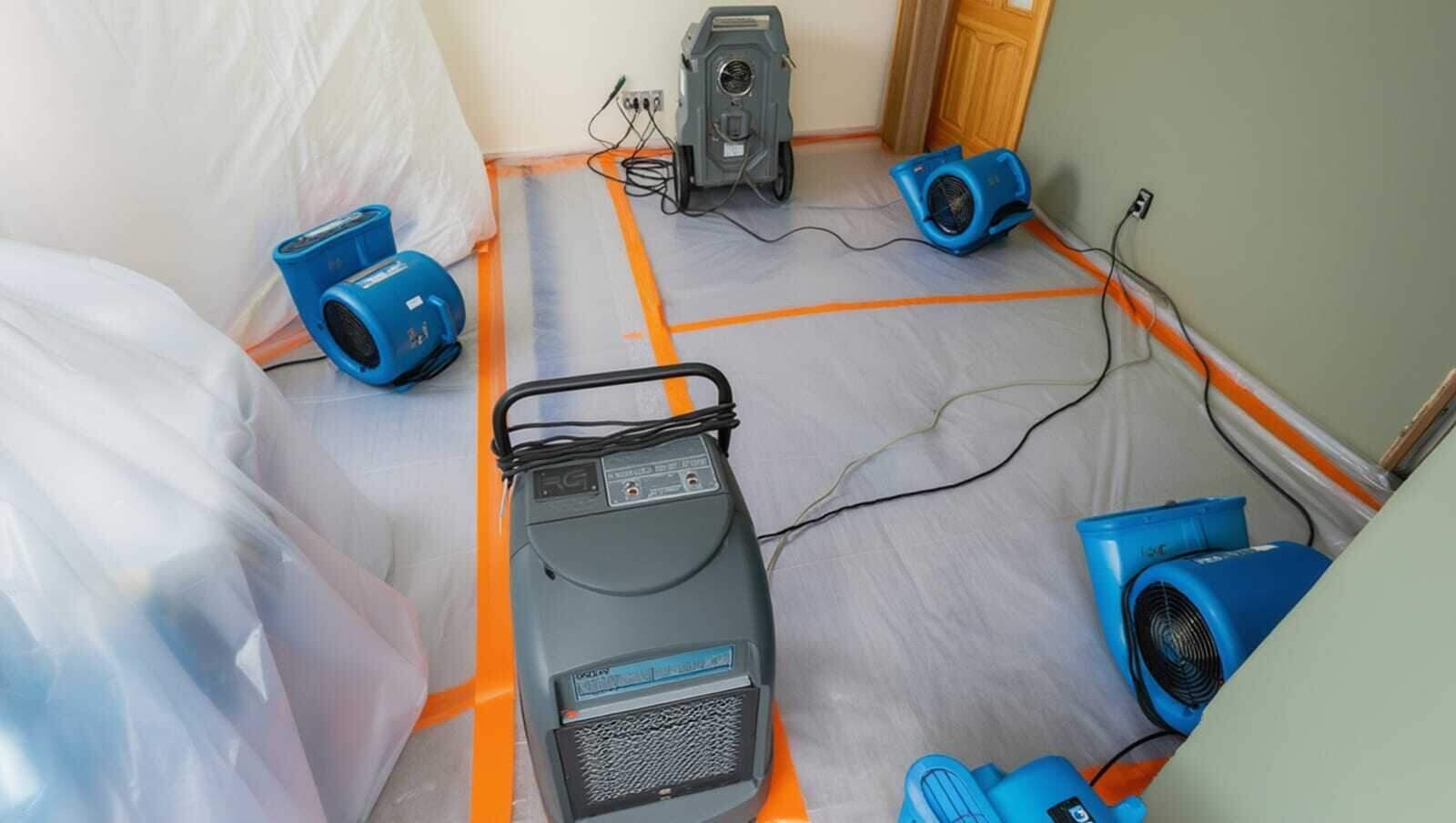
Air movers and dehumidifiers run until the meters read dry inside the materials, not just dry to the touch.
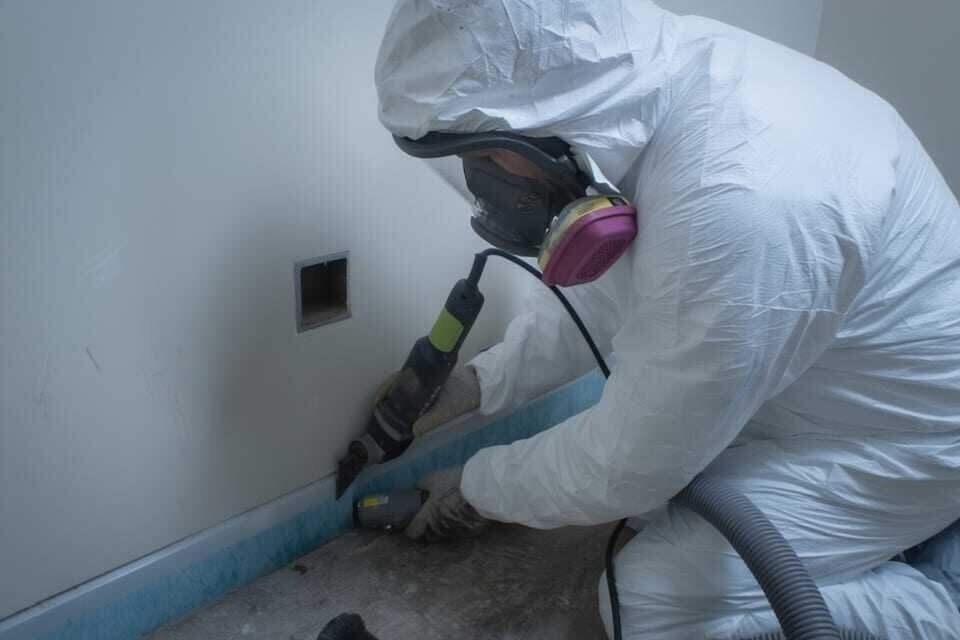
Mold Removal
Left wet, materials grow mold in a day or two. We remediate under containment, scrub the air with HEPA, and verify with clearance testing.
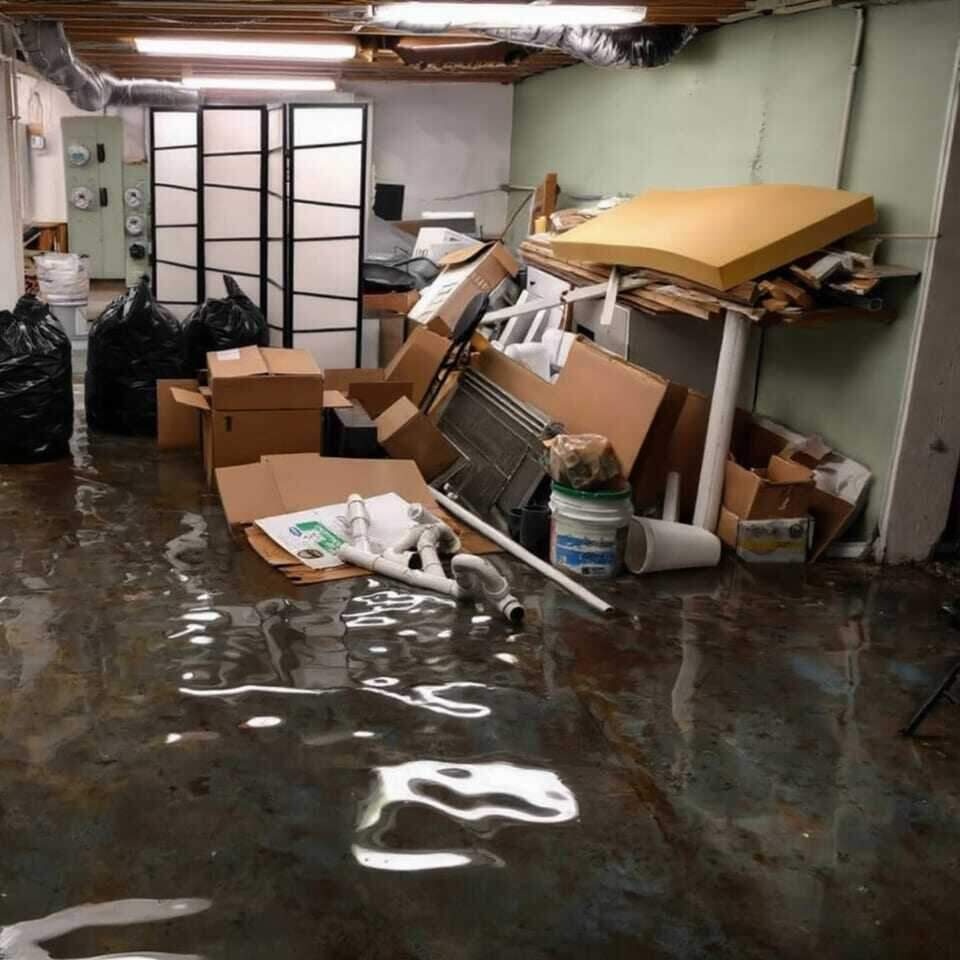
Sewage Cleanup
Black water is Category 3 and biohazardous — a frequent problem with the aging cast-iron sewer lines under older Dallas homes. We contain it, haul it out, sanitize, and rebuild.
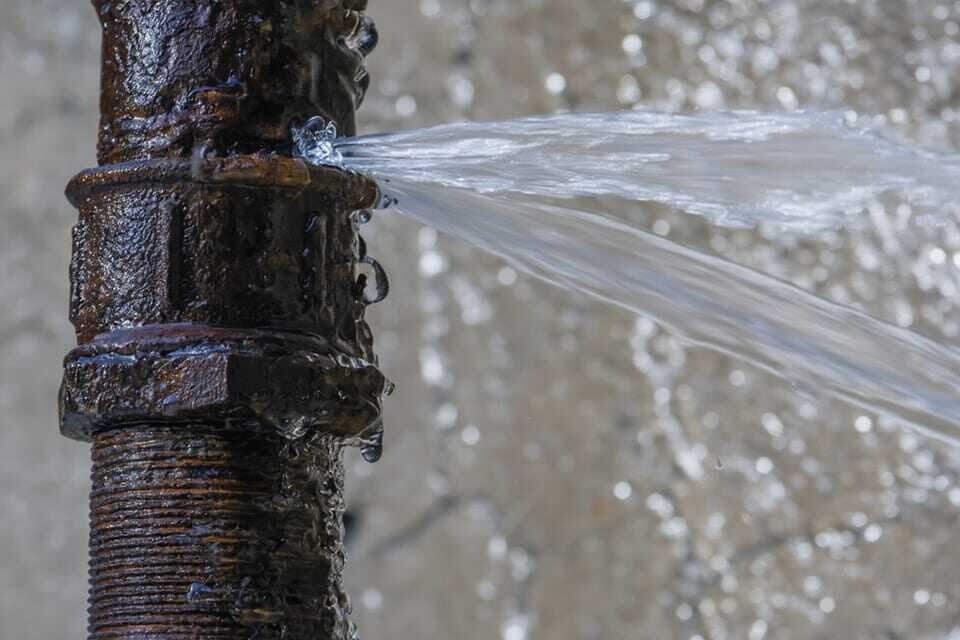
Burst & Frozen Pipe
A single freeze like Uri in 2021 split pipes all over DFW. When one lets go, we clean up the flood and put the home back together.
Every Hour Multiplies the Damage
Water damage gets worse by the hour — a slow response drives up the cost, spreads the damage, and adds health risks. That's why we answer 24/7 and roll a Dallas crew the same day.
Mold takes hold
Spores start colonizing wet drywall and framing within a day or two. Once it's established, remediation becomes a separate, costly job.
The structure weakens
Wood swells and warps, drywall crumbles, subfloors buckle. Every hour of standing water adds to what has to be torn out and rebuilt.
Contamination spreads
Standing water breeds bacteria and pathogens fast — especially from a sewage backup or storm flooding. Sanitizing isn't optional.
Belongings become losses
Furniture, flooring, and keepsakes can often be saved with prompt drying — but the window closes quickly once they stay wet.
Why Dallas Property Owners Choose Us
Our technicians carry current IICRC certification that meets what manufacturers and insurers require, and the photo-and-moisture record we start the first hour on site is what holds up your claim later.
When you call, you reach our Dallas office directly — not an out-of-state answering service. We cover the whole DFW metro and route crews via I-35E (Stemmons Freeway), Loop 12, and I-635.
We talk to your adjuster so you don't have to. The scope write-up, moisture readings, and photo log come together for your claim from day one — and we flag the separate Texas wind-and-hail deductible before it surprises you.
There's no waiting while one company finishes drying and another schedules the repair. We do both phases ourselves — one point of contact, one timeline, no stalled handoff.
The Credentials Behind the Work


What Happens After You Call
The same five stages on every job, each one documented, so nothing about the timeline or the cost catches you off guard.
Call & Dispatch
A real person answers our Dallas line, asks what you're dealing with, and sends the right crew out the same day.
On-Site Assessment
From the first hour we map the moisture, scope the damage, and photograph it all for the claim file.
Extraction & Containment
Extractors pull out the standing water while we seal off the wet zone so spores can't drift into dry rooms.
Structural Drying
Dehumidifiers and air movers stay running until the meters confirm the framing and materials are truly dry.
Rebuild & Restore
We put back the drywall, flooring, and paint, finishing the home as it looked before the loss.
Common Causes of Water Damage
Most of our DFW calls trace back to the same handful of failures. Whatever started it, we handle the cleanup, drying, and rebuild.
Burst & Frozen Pipes
A hard freeze like Uri in 2021 splits supply lines across the metro; aging cast iron lets go year-round.
Roof Leaks
A storm or a worn roof lets water through into ceilings, insulation, and the walls below.
Slab Leaks
The expansive clay under Dallas shifts foundations and cracks the supply lines that run through the slab.
Appliance Failures
Water heaters, washers, and dishwashers fail and flood a room long before anyone notices.
Sewage Backups
Clogged or collapsed sewer lines push Category 3 black water back up into the home.
AC Condensate Overflows
Through the long cooling season, a clogged condensate line quietly soaks ceilings and closets.
Serving Dallas & the DFW Metro
Fast response to Dallas and the surrounding metro: Plano, Frisco, McKinney, Irving, Garland, and beyond.
Where We Work
We serve Dallas and the wider DFW metro, and every job is on-site — we come to you. When it's urgent, skip the drive and just call.
1575 REGAL ROW · DALLAS, TX 75247 · View on Google Maps ↗
The Clock Is Already Running
Left sitting, water keeps soaking into framing and feeding mold by the hour. Get our Dallas team on the phone for a same-day response.
Call Now: (469) 895-7900Questions Dallas Homeowners Ask
How soon can a crew get to my Dallas home?
We're on most DFW neighborhoods within a couple of hours, running I-35E (Stemmons Freeway), Loop 12, and I-635. The exact time hinges on where you are and how busy the day is — so we give you a straight ETA on the phone instead of a number we can't keep.
Will my homeowner's policy pay for water damage?
A sudden, accidental loss — a pipe that bursts, an appliance that fails, an internal leak — is covered under most standard policies, and so are roof leaks from a covered storm, though Texas policies usually attach a separate wind-and-hail deductible. We coordinate with your adjuster and document the loss from the first hour so the claim has what it needs.
How fast does mold set in after a leak?
Wet materials can start growing mold within a day or two, and humid North Texas summers push that along. Get the water out and the structure dried quickly and you usually sidestep a separate remediation job stacked on top of the repair.
Mitigation versus restoration — what's the difference?
Mitigation is the emergency work that stops the loss from spreading: extraction, containment, and drying. Restoration is the rebuild afterward — drywall, flooring, insulation. Because we run both stages ourselves, nothing falls through the crack between two separate companies.
Does Dallas's clay soil cause slab leaks?
Yes. North Texas sits on expansive Blackland Prairie clay that swells and shrinks with moisture, stressing the copper supply lines under concrete slabs. A failed slab line can wick water into flooring and walls for days before it's noticed. If you see unexplained damp floors, a rising water bill, or warm spots underfoot, call us right away.
Why Dallas Homes Are Especially Prone to Water Damage
Dallas–Fort Worth sits on expansive Blackland Prairie clay that swells when wet and shrinks when dry, shifting foundations and stressing the plumbing run beneath them. Pair that with a long cooling season, the occasional roof-damaging storm, and the rare deep freeze — February 2021's Winter Storm Uri being the obvious one — and the range of ways a Dallas home can take on water is wider than in most US cities.
Common Water Damage Sources in Dallas
The most frequent causes we respond to are slab leaks in supply lines under the foundation, failed washing machine and dishwasher hoses, water heater failures, AC condensate-line overflows during the long cooling season, and roof leaks after a storm. Aging cast-iron sewer lines in older neighborhoods are a recurring source of Category 3 backups.
Slab Leaks and Expansive Clay
Because North Texas clay moves with the seasons, the copper lines embedded in slab foundations take constant strain. When one fails, water migrates silently through the concrete and into hardwood, carpet, and baseboards — often for days before anyone notices. We locate the source, extract the water, and dry the structure to verified moisture readings before any rebuild begins.
Roof Leaks and Water Damage
A storm-damaged or aging roof lets water into attics, ceilings, and insulation. This often goes unnoticed until staining appears on a ceiling or a light fixture starts dripping — by which point mold may already be establishing. If you see discoloration or soft spots overhead, call us before the visible damage grows. We follow IICRC S500 drying standards with continuous moisture monitoring, and we don't pack up until readings confirm the structure is genuinely dry.