
Roof Water Damage Repair in Dallas, TX
One spring hailstorm can drive water straight through your roof into the attic, insulation, and ceilings below. SummitFrame Restore stops the intrusion, dries everything out to verified readings, and documents the loss for your hail claim — fast, before mold gets a head start.
- Emergency tarping & same-day storm response
- Attic, insulation & ceiling drying
- Hail-claim docs & direct billing
What Working With SummitFrame Restore Looks Like
Your call reaches our Regal Row base, never an out-of-state answering service. We roll a crew to most of the metro the same day.
Active IICRC certification, work that meets what manufacturers and insurers expect, and moisture logs that start within the first hour on site.
We deal with the adjuster and carry the paperwork — including the separate wind and hail deductible that catches so many Texas homeowners off guard.
The same outfit that extracts and dries your home also rebuilds it — no waiting on a separate contractor and no gap where the job stalls.
DFW Hail Season and Roof Water Damage
Dallas–Fort Worth sits in one of the most active large-hail corridors in the country, and the peak runs from spring into early summer. Hail cracks shingles, dents flashing, and splits seals around vents and skylights — sometimes without an obvious hole. The next rain finds those weak points and drives water into the attic. SummitFrame Restore responds to roof-driven water intrusion across the metro, and after a major storm we prioritize active leaks first.
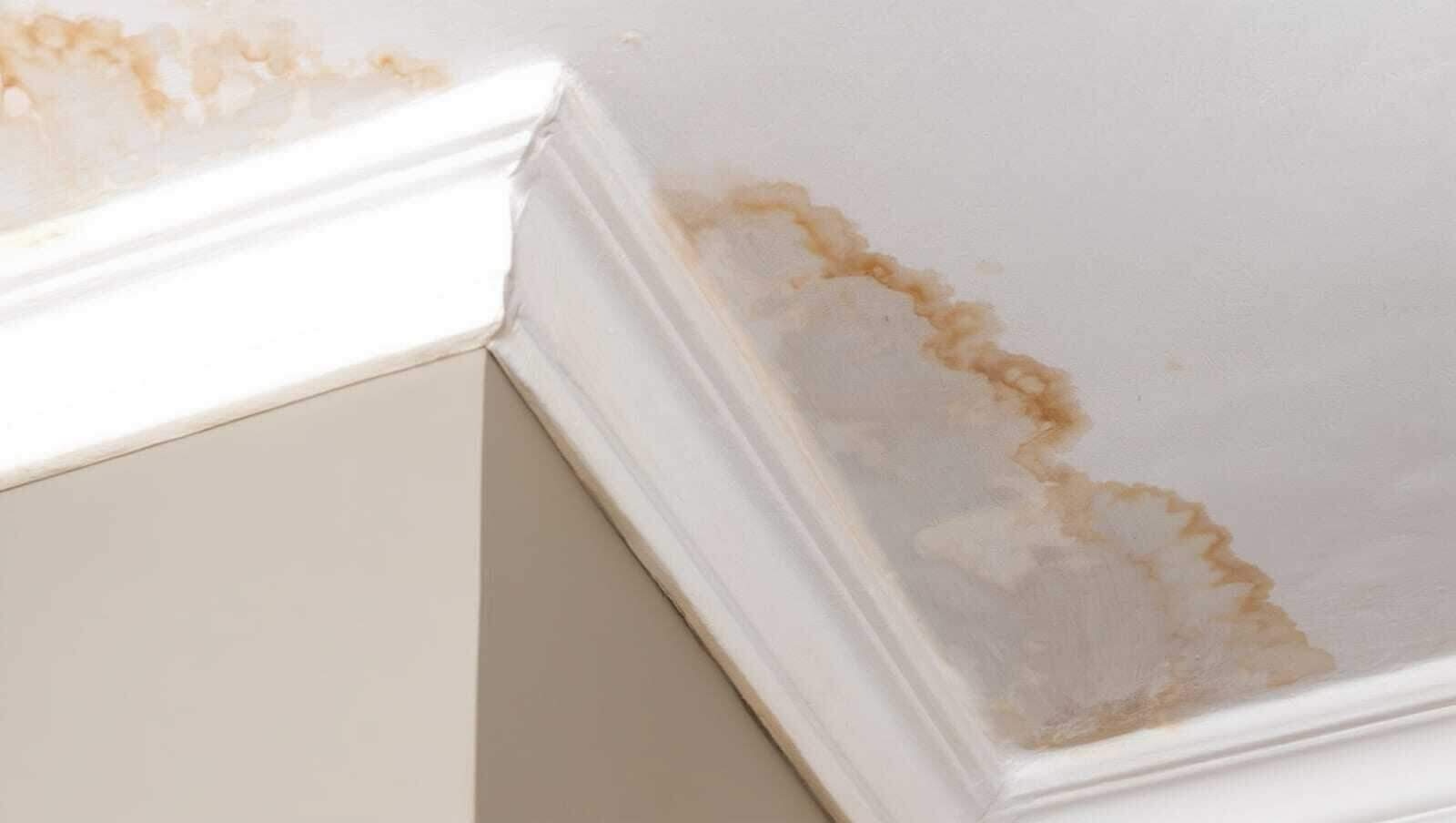
Most homeowners don't connect the dots between a hailstorm and the brown stain that shows up on a bedroom ceiling weeks later. The hail rarely punches a clean hole; it weakens the roof in ways you can't see from the yard, and the damage stays quiet until the next heavy rain. If your neighborhood took hail this season, it's worth having the interior checked even if the ceilings still look clean. The cheapest leak to fix is the one caught before it soaks the insulation.
Here's the part homeowners miss: the roof damage and the water damage are two separate problems. A roofer can replace shingles, but the water already inside your attic insulation, drywall, and ceiling joists has to be extracted and dried by a restoration crew, or it rots framing and grows mold. We handle that interior side, including the ceiling water damage that storm leaks leave behind.
How Storm Roof Leaks Damage Your Dallas Home
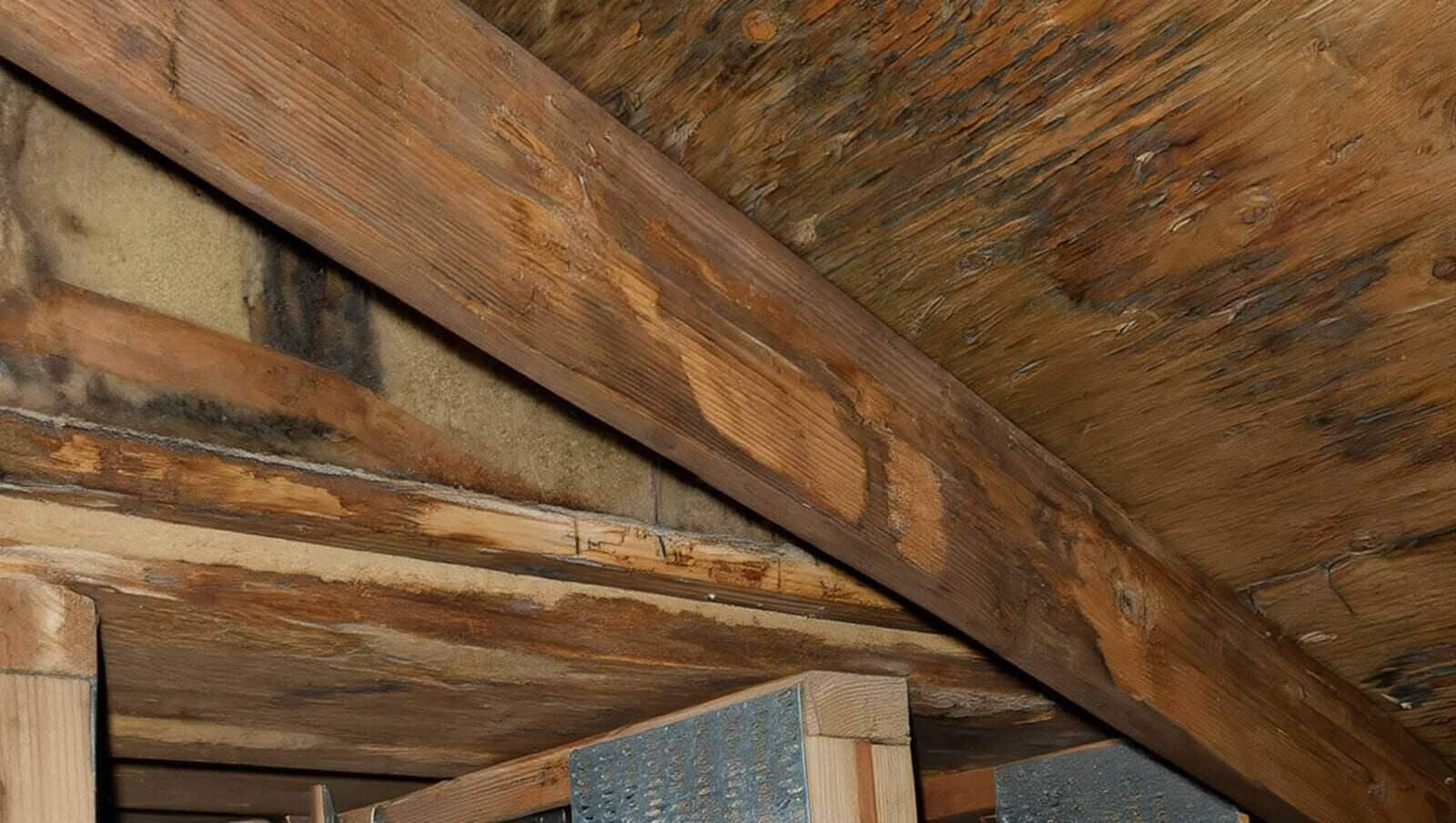
Roof water rarely stays where it enters. It follows the path of least resistance — down rafters, along the top plate, into wall cavities — so the stain on your ceiling is often several feet from the actual leak. By the time you see discoloration or a drip, water has usually been sitting in the structure for a while:
Waterlogged attic insulation
Wet blown-in or batt insulation loses its R-value and stays damp for weeks, feeding mold against the underside of the roof deck. It usually has to be removed and replaced.
Stained & sagging ceilings
Drywall absorbs water from above, browning, bubbling, and eventually sagging. A bulging ceiling is holding pooled water and can give way without warning.
Hidden wall-cavity moisture
Water tracks down inside walls where you can't see it. We use thermal imaging and moisture meters to find it before it rots studs or grows mold behind the paint.
Ruined light fixtures & wiring
Water following ceiling joists pools at recessed cans and fixture boxes — a shock and short-circuit hazard until the area is dried and inspected.
Our Roof Water Damage Process
From the first call, the goal is to stop the water, dry the structure, and give you a clean record for the claim:
Tarp & Stop
Emergency tarping over the failure point stops more water from entering while you arrange roof repair.
Extract
We pull standing water from ceilings, insulation, and floors, and relieve pressure on sagging drywall safely.
Dry
Air movers and dehumidifiers run on the attic, ceiling cavity, and rooms below until readings hit a dry standard.
Restore
We replace wet insulation, repair ceilings and drywall, and repaint, back to how it looked before the storm.
Attic, Insulation & Ceiling Drying
The attic is where roof leaks do their quiet damage. Wet insulation against a warm roof deck is an ideal place for mold, and a sealed attic holds humidity long after the leak is fixed. We dry the space deliberately with the same structural drying equipment we use on any water loss: lift and remove unsalvageable insulation, run dedicated air movement through the attic, and monitor the roof deck, ceiling drywall, and top plates with moisture meters until each reads dry. Only then do we re-insulate and close up the ceiling, so you're not sealing moisture inside the structure.
Hail & Storm Damage and Your Insurance
Roof leaks from a covered storm — including hail — are typically covered by Texas homeowner policies, though most carry a separate wind/hail deductible that's usually a percentage of your dwelling coverage, not a flat dollar amount. We document the interior water damage from the first hour, coordinate with your adjuster, and bill the carrier directly for the covered restoration work. For a deeper walkthrough of hail claims and deductibles, see our water damage insurance claims guide.
Frequently Asked Questions
What should I do about water coming through the ceiling during a Dallas storm?
Move anything valuable out from under it and put down a bucket or bin. If the ceiling is bulging, that's pooled water — carefully poke a small hole at the lowest point with a screwdriver to drain it into a bucket, which relieves the weight before the whole section gives way. Then call us. We tarp the roof to stop more water entering and extract what's already inside before it spreads further. Keep the standing water; don't stand under a sagging ceiling.
Are you fixing the roof, or the water damage inside?
We handle the interior restoration — emergency tarping, water extraction, drying the attic and ceilings, replacing wet insulation, and repairing the drywall and paint. The roof covering itself (re-shingling, flashing) is a roofing trade, and we'll coordinate timing with your roofer so the structure is dry before it's sealed back up. Tarping over the failure point holds you over until that roof work happens.
The Credentials Behind the Work


Storm Leak in Your Dallas Roof? Call Before It Spreads.
The longer water sits in your attic and ceilings, the more you replace. Reach a real person on our Dallas line any time — 24/7 Emergency Response.
Call Now: (469) 895-7900