
Carpet Water Damage Repair in Dallas, TX
Wet carpet is a race against the pad and the subfloor beneath it. SummitFrame Restore extracts fast, dries what can be saved, replaces the pad when it has to go, and sanitizes — so you keep good carpet and don't end up with mold growing in the cushion underneath.
- Truck-mounted extraction & in-place drying
- We dry the pad & subfloor
- Antimicrobial treatment, mold & odor
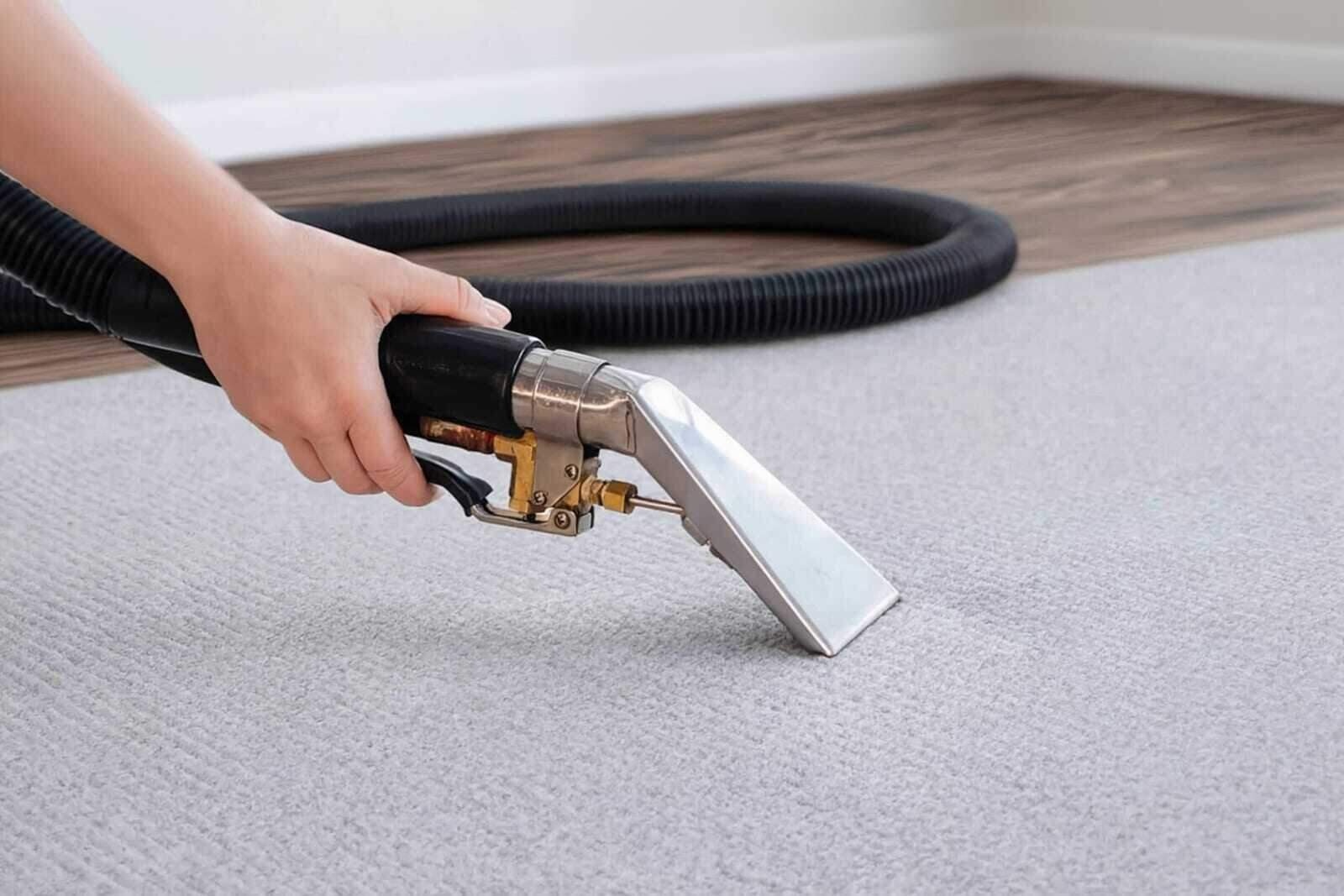
What Working With SummitFrame Restore Looks Like
Your call reaches our Regal Row base, never an out-of-state answering service. We roll a crew to most of the metro the same day.
Active IICRC certification, work that meets what manufacturers and insurers expect, and moisture logs that start within the first hour on site.
We deal with the adjuster and carry the paperwork — including the separate wind and hail deductible that catches so many Texas homeowners off guard.
The same outfit that extracts and dries your home also rebuilds it — no waiting on a separate contractor and no gap where the job stalls.
When Carpet Can Be Saved — and When It Can't
The carpet itself is rarely the problem. The pad underneath and the subfloor below it are what decide the outcome, because they hold water long after the surface feels damp. Whether your carpet can be saved comes down to three things: the type of water, how long it sat, and what's beneath it.
- Clean water, caught fast. A supply line or fresh-water appliance leak extracted within a day or two usually means the carpet is saved and only the pad may need replacing. This is the best case, and it's common.
- Gray water. Washing-machine or dishwasher overflow contaminates the carpet enough that the pad comes out for sure, and the carpet is cleaned and sanitized rather than just dried.
- Sewage or black water. Category 3 contamination means the carpet and pad both come out — porous material that soaked sewage can't be reliably disinfected. We cover this on our sewage cleanup page.
- Water that sat too long. Carpet left wet for days delaminates as the backing separates, and mold takes hold in the pad. Past that point, replacement is the honest call.
We make the call material by material and explain it, so you're never paying to tear out carpet that could have been dried — or keeping a pad that's quietly growing mold.
Our Carpet Drying & Sanitizing Process
Surface drying a carpet while the pad stays soaked is the classic mistake — it feels dry, then smells musty a week later. We dry the whole assembly and verify it:
Extract
Truck-mounted extractors and weighted wands pull water from the carpet and the pad beneath, far more than a shop vac reaches.
Assess the Pad
We check whether the pad can be dried in place or has to be pulled and replaced — and whether the subfloor is wet too.
Dry & Float
Air movers and dehumidifiers dry the carpet, pad, and subfloor to a verified reading, floating the carpet where needed to dry beneath.
Sanitize & Reset
We treat with antimicrobial, deodorize, and re-stretch the carpet so it lays flat and clean again.
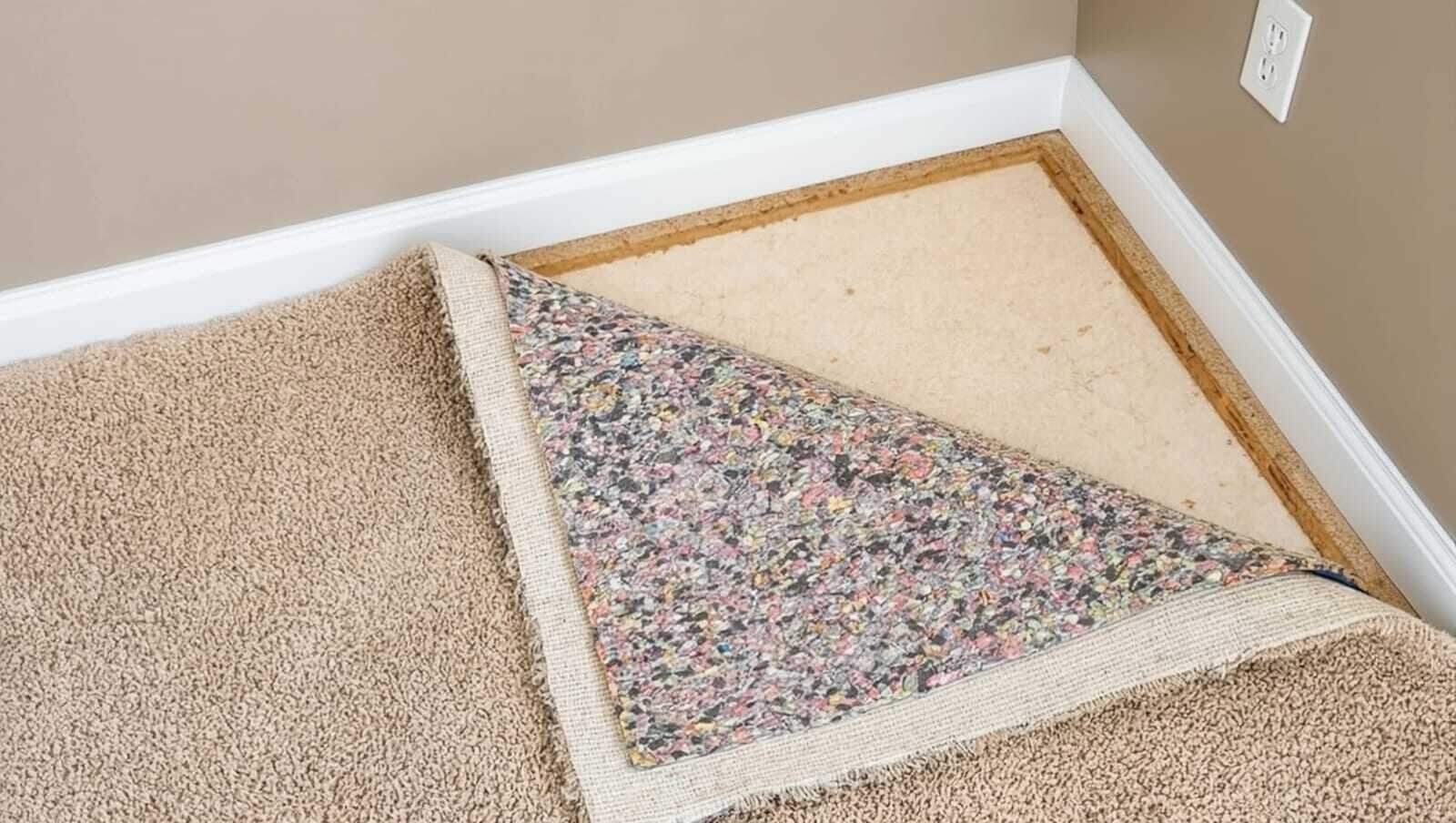
Mold in Carpet After Water Damage
Carpet is one of the easiest places for mold to start, and the pad is where it hides. The cushion under the carpet holds moisture against the subfloor, out of the air and out of sight, and that's exactly the dark, damp environment mold needs. Once it's in the pad, surface cleaning the carpet does nothing — the colony is underneath. A musty smell that won't lift after a leak is usually mold in the pad, even when the carpet looks fine.
This is why we don't just dry the top. We pull readings from the pad and subfloor, and if mold has already taken hold there, the pad comes out and we sanitize what stays. Caught early, fast extraction and drying stop mold before it ever starts. Caught late, it becomes a mold removal job. Either way, drying to a verified standard — not dry to the touch — is what keeps carpet from turning into a mold problem.
The smell is usually the first warning, and it's worth trusting. A persistent musty odor in a room that flooded weeks ago — even after the carpet was "dried" with a rented fan — almost always means moisture stayed in the pad and mold started underneath. Air freshener masks it for a day; it doesn't fix it. When we get that call, we lift a corner of the carpet, read the pad and subfloor, and show you what's actually going on down there before recommending anything — so the decision to keep or replace is based on what the meter says, not on a guess from the surface.
Carpet Damage and Your Insurance
Carpet and pad ruined by a sudden covered water loss are generally part of a Texas water-damage claim — replacement of unsalvageable flooring is a standard line item. We document what was wet, what was dried, and what had to be removed, which is what supports the claim, and we bill the carrier directly for covered work. See our insurance claims guide for how the process runs in Texas.
Frequently Asked Questions
Can wet carpet be saved after a leak or backup?
Clean-water carpet caught within a day or two is usually saved — often only the pad needs replacing while the carpet is dried, cleaned, and re-stretched. The odds drop the longer it sits, since the backing delaminates and mold starts in the pad. Contaminated water changes the answer: gray water means the pad comes out, and sewage means both carpet and pad are removed because porous material can't be reliably disinfected. We assess each piece with moisture readings and tell you straight what's worth saving.
Does wet carpet always need to be replaced after water damage?
No — replacement is far from automatic for clean-water losses caught quickly. What more often gets replaced is the pad, which holds water and dries poorly, while the carpet above it is salvageable. The factors are the water category, how long it stayed wet, and whether mold reached the pad. We extract, take readings from the carpet, pad, and subfloor, and base the call on the numbers rather than assuming the worst. Saving good carpet beats replacing it when the drying supports it.
The Credentials Behind the Work


Soaked Carpet in Your Dallas Home? Call Before the Pad Molds.
Fast extraction is what keeps wet carpet from becoming a mold problem. Reach a real person on our Dallas line any time — 24/7 Emergency Response.
Call Now: (469) 895-7900