
Mold Removal in Rockwall, TX
- On call around the clock in Rockwall and across DFW
- Licensed, insured, IICRC-certified technicians
- We log the loss and bill your carrier for you
Credentialed & on call in Rockwall


Mold Removal That Fixes the Moisture Source in Rockwall
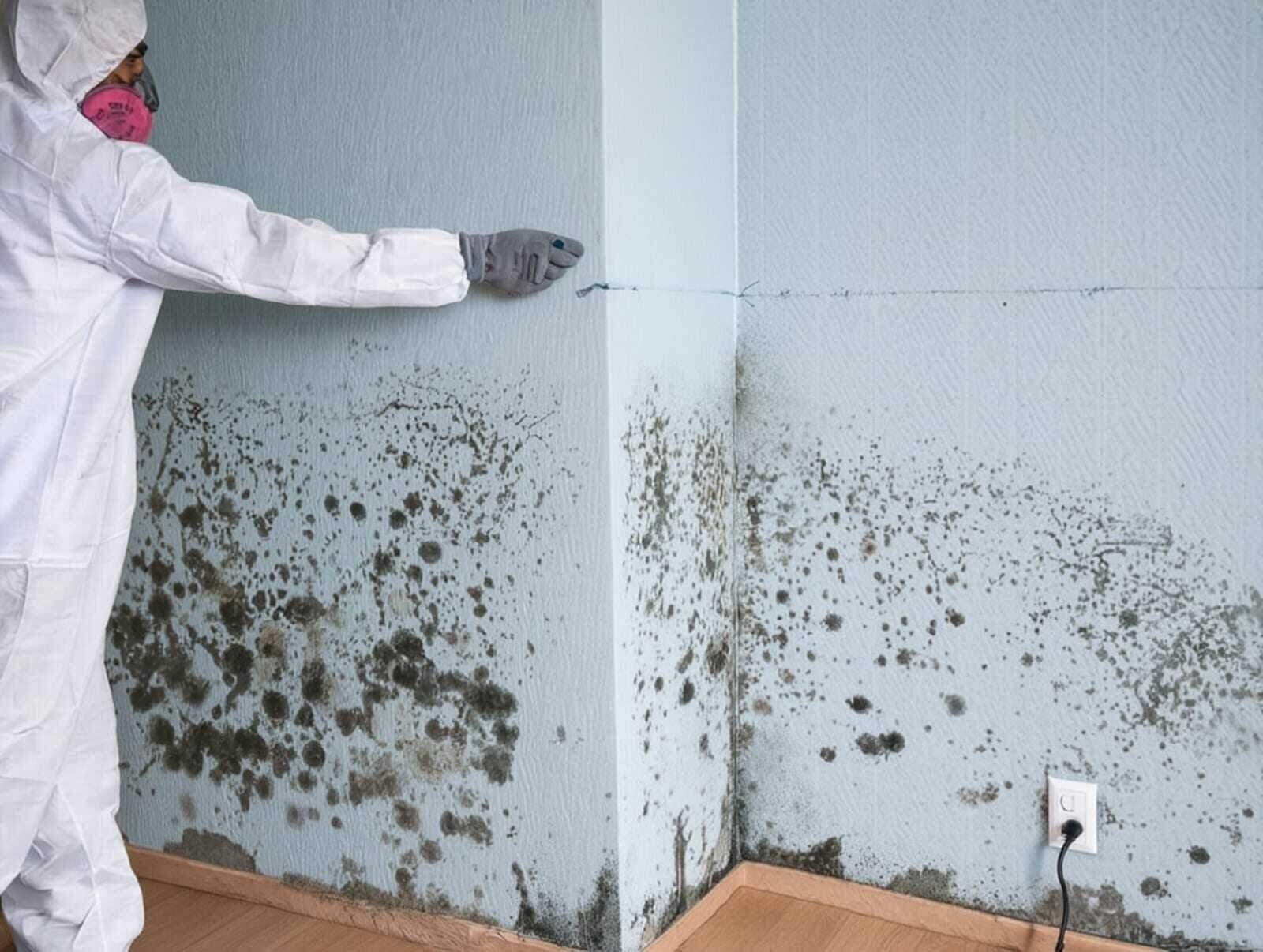
From a slab leak in a newer Heath home to Harbor District lakefront flooding, Rockwall’s lakefront setting and reactive clay produce two very different water-damage pictures. SummitFrame Restore treats mold the right way: trace and stop the moisture, contain the work area under negative air, remove and HEPA-scrub, then confirm it’s gone with clearance testing.
- Sealed containment and negative air so spores stay put
- Source repair and structural drying so it doesn’t come back
- Lab sampling and clearance testing when the situation calls for it
What Sends Water Into Rockwall Homes
The mold we remediate in Rockwall almost always traces to undried water from one of these sources:
Slab leaks on reactive Rockwall County clay
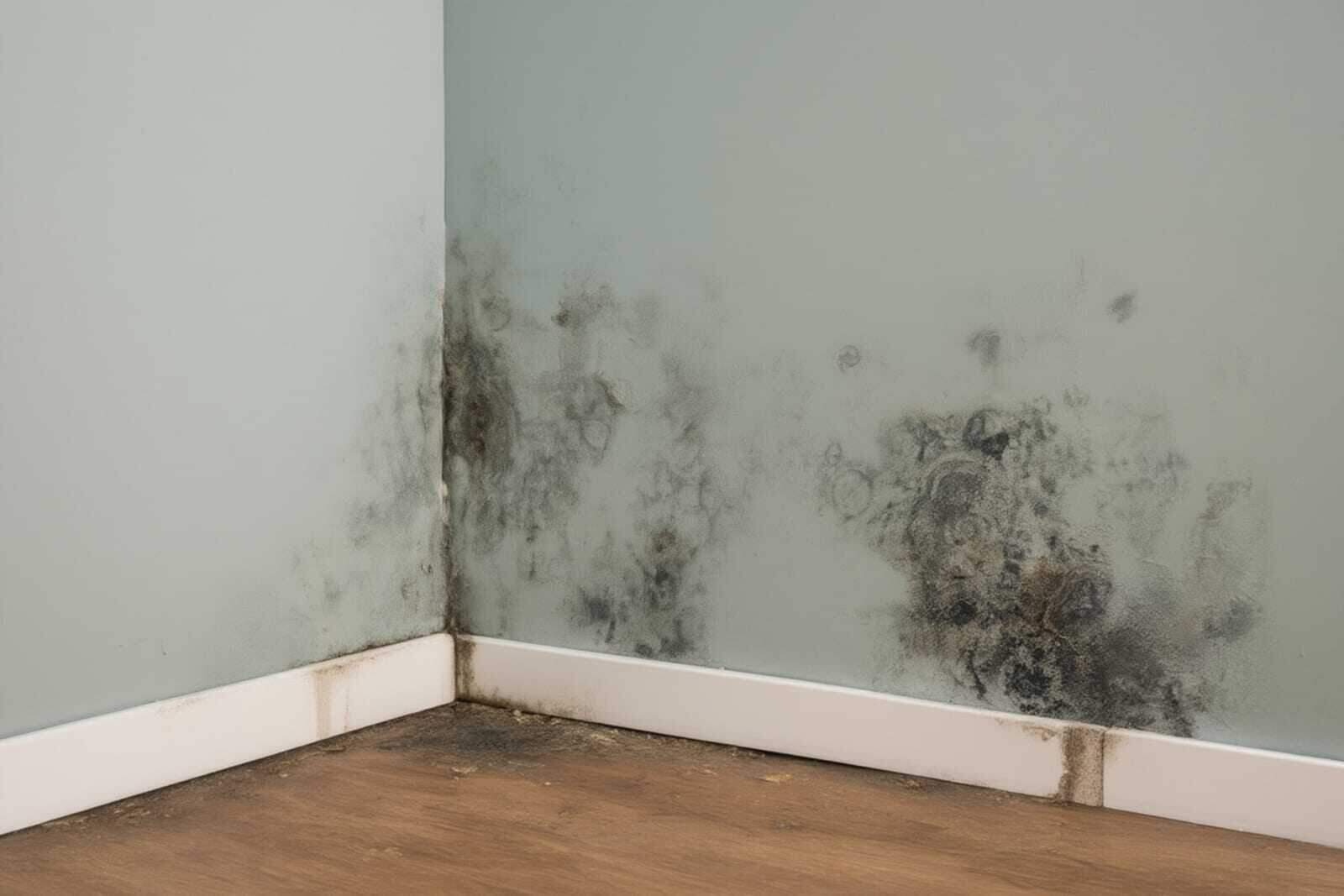
Most Rockwall homes are 2000s or 2010s construction — but clay-soil slab leaks don’t require 50-year-old pipes. Soil movement on Rockwall County’s reactive clay stresses supply-line fittings even in newer construction, and a failed fitting under the slab can saturate flooring before it’s noticed. A slow slab leak keeps the subfloor and lower walls damp for weeks, the ideal hidden mold source we look for first.
Harbor District and lakefront flooding
Properties in Rockwall’s Harbor District and the lakeside neighborhoods of Heath face elevated flood risk during heavy storms. Rockwall County’s clay-heavy soil drains slowly, and when storm rainfall exceeds lake drainage capacity, low-lying waterfront properties are among the first affected.
Burst pipes after a Texas freeze
Even Rockwall’s 2000s–2010s homes run lines through attics and exterior walls that a hard freeze can crack. When the thaw hits, a split line floods the rooms below — a risk lakefront and inland homes share alike.
Our Mold Removal Process
Inspect & Test
We locate the moisture source with meters and thermal imaging and identify affected materials before any work starts.
Contain
We seal the work area with barriers and negative air pressure so spores don’t spread to clean parts of your Rockwall home.
Remove & Scrub
We remove mold-damaged materials, HEPA-vacuum and treat surfaces, and run air scrubbers to clear airborne spores.
Dry & Clear
We fix the moisture source, dry the structure to verified readings, and confirm the area is clean with post-remediation testing.
Why Rockwall Homeowners Call Us First
- Dispatched locally, any hour. Our Dallas crews are on the road to Rockwall quickly, and the voice on the phone is a real technician rather than a routed call center.
- Certified to the S500 standard. IICRC-trained techs work to industry benchmarks and start logging moisture readings the first hour they're on site.
- The carrier gets billed, not you. We coordinate with your adjuster and carry the claim paperwork so you aren't chasing it.
- Dry-out and rebuild, one team. The same crew that dries the structure puts it back together — nothing stalls in a handoff to another contractor.
Frequently Asked Questions
Do you test for mold before and after removal?
We inspect and identify the affected materials and moisture source before work begins, and we confirm the area is clean with post-remediation clearance testing afterward. That way you’re not taking our word for it — you have verification the mold is gone and the moisture that caused it is fixed.
Is Rockwall prone to slab leaks on reactive Rockwall County clay?
Yes — it’s one we see regularly here. Most Rockwall homes are 2000s or 2010s construction — but clay-soil slab leaks don’t require 50-year-old pipes. Soil movement on Rockwall County’s reactive clay stresses supply-line fittings even in newer construction, and a failed fitting under the slab can saturate flooring before it’s noticed. For Rockwall homeowners, that’s exactly the kind of source that feeds mold behind the walls before it’s caught, which is why we trace and confirm the origin before we start the mold removal work.
Do I need to leave my Rockwall home during mold removal?
For a contained job, usually not — the sealed work area and negative air pressure keep spores from drifting into the rest of the house. For larger remediations, or if anyone in the home is sensitive, we’ll talk through whether stepping out during active removal makes sense. We plan that with you before work starts.
More Ways We Help in Rockwall
Water Removal
Truck-mounted extraction and structural drying for standing-water losses.
Ceiling Water Damage
Leak traced, cavity dried, stained or sagging drywall repaired.
Roof Water Damage
Roof leaks traced and tarped, attic dried, stained ceilings repaired.
Hardwood Floor Water Damage
Floor-mat drying to reverse cupping and save the boards.
Musty Smell or Visible Mold in Rockwall? Call Us.
A musty smell usually means moisture is still feeding it. Our certified Rockwall crew finds the source, removes the mold, and verifies the air — 24/7.
Call Now: (469) 895-7900