
Water Removal in Flower Mound, TX
- On call around the clock in Flower Mound and across DFW
- Licensed, insured, IICRC-certified technicians
- We log the loss and bill your carrier for you
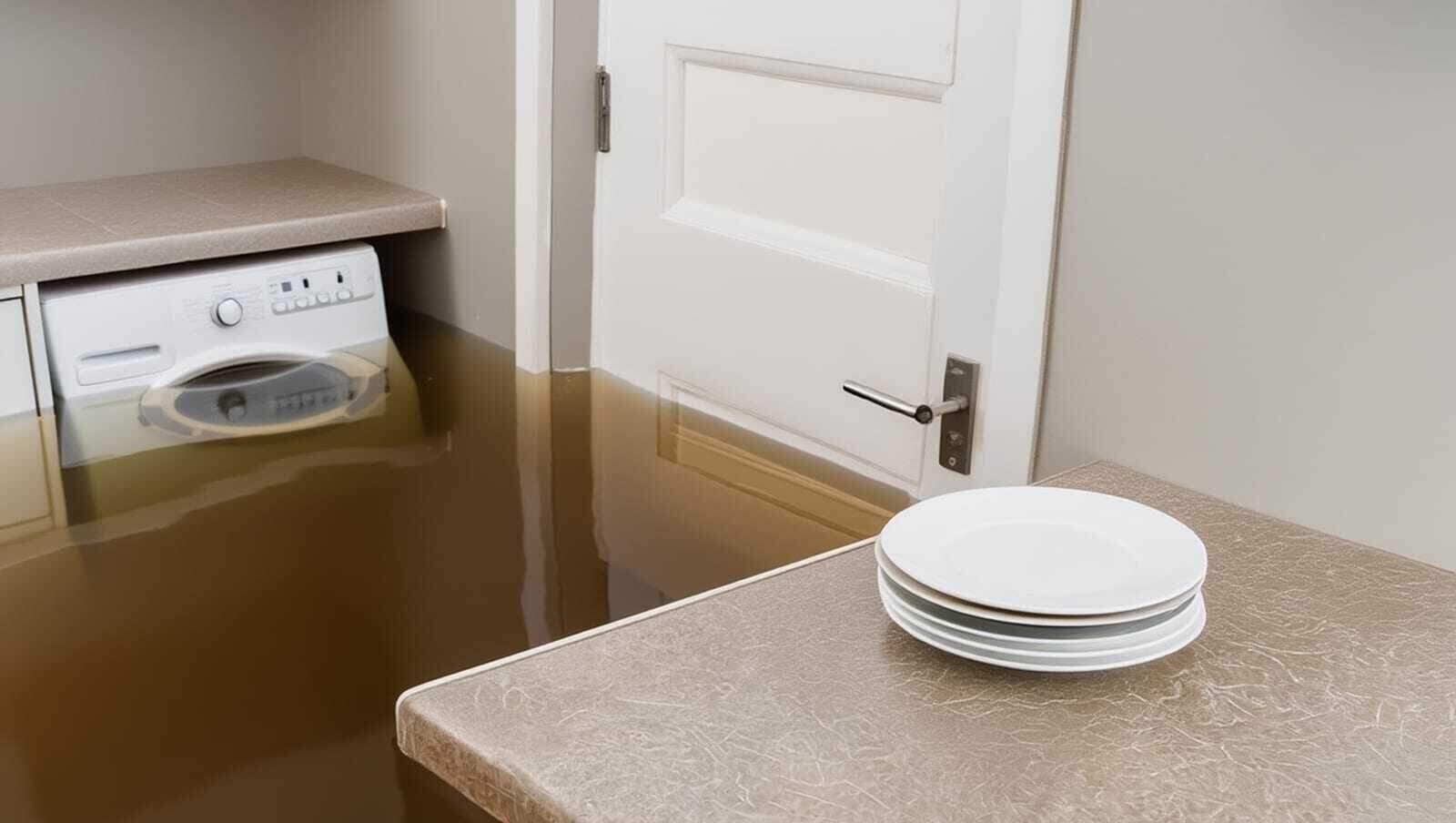
Credentialed & on call in Flower Mound


Truck-Mounted Water Removal for Flower Mound Homes
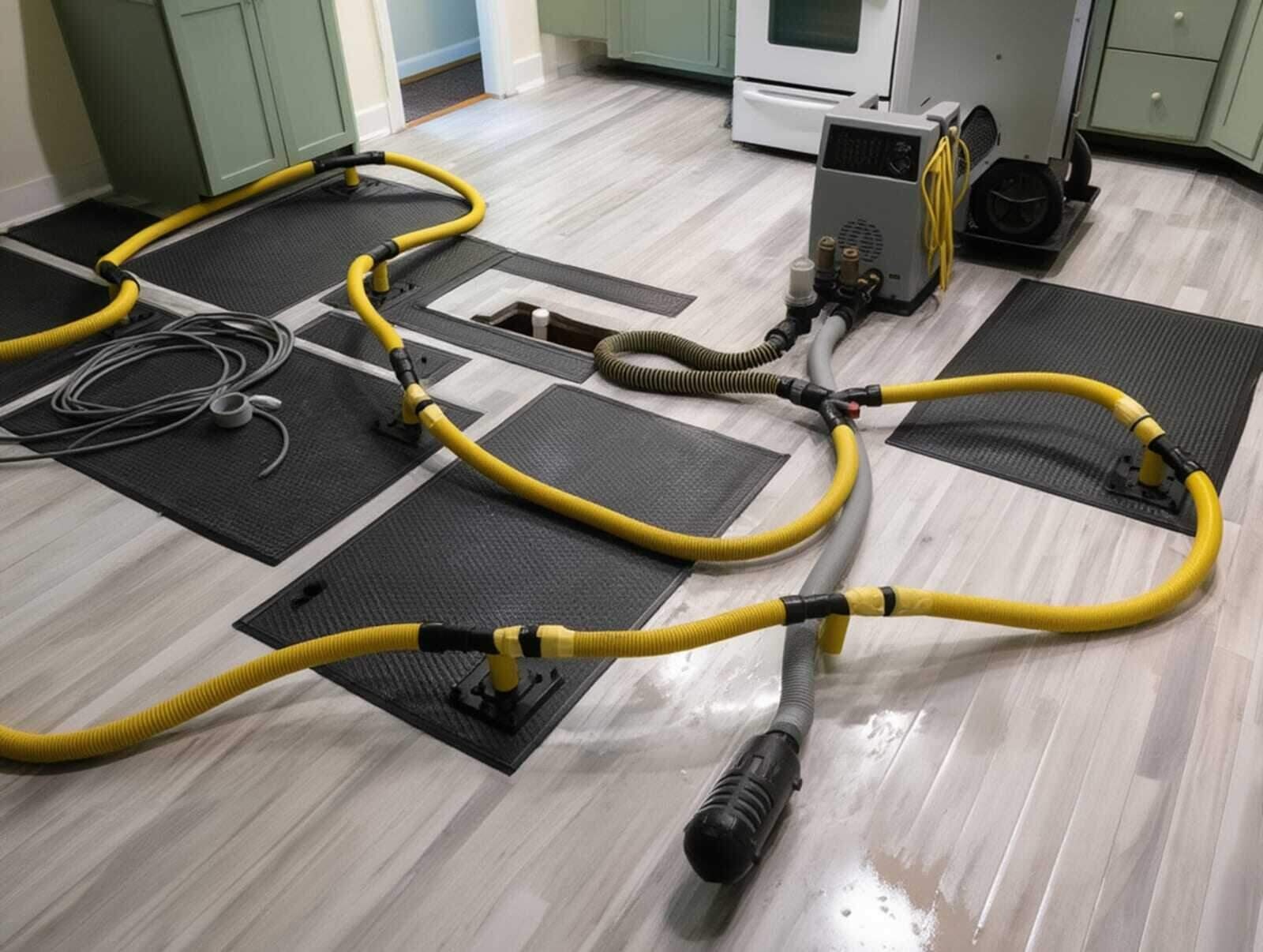
The damage from standing water climbs sharply for every hour it sits. SummitFrame Restore gets it out fast with truck-mounted extractors and submersible pumps, then dries the structure to verified moisture readings — not just dry where you can feel it. The same large-lot homes run extensive in-ground irrigation on reactive clay, creating a slab-perimeter moisture source that standard interior inspections miss, and multi-zone HVAC with attic air handlers.
- Same-day extraction with truck-mounted units and pumps
- We map the full wet area, including water you can’t see
- Dried to verified readings, then documented for your carrier
What Sends Water Into Flower Mound Homes
The standing-water losses that bring our extraction crew to Flower Mound most often:
Slab leaks on Denton County clay
Even Flower Mound’s larger, newer executive homes sit on reactive Denton County clay that stresses supply-line fittings under the slab. A failure wicks water up through tile and hardwood for days before a warm spot or a water-bill spike gives it away. Slab water spreads flat and wide under the floor, so we extract beyond the visible edge and dry the subfloor.
AC condensate in multi-zone HVAC systems
Larger Flower Mound homes run multi-zone HVAC with air handlers on upper floors and in attics. Clogged condensate drains in attic-mounted units drain directly into attic insulation — a slow failure that saturates ceiling assemblies over days before visible signs appear.
Mature tree root interference with drain lines
Flower Mound’s mature tree canopy creates root-intrusion risk in older cast-iron and clay drain lines. Root infiltration at a drain line leads to sewage backup rather than clean-water damage, escalating the cleanup category.
Our Water Removal Process
Stop & Assess
We find the source, stop the inflow if it’s still running, and map the wet area with moisture meters.
Extract
Pumps and truck-mounted extractors pull standing water from floors, pad, and wall cavities.
Dry
Air movers and dehumidifiers run until readings confirm materials are back to a dry standard.
Verify
We re-check moisture daily and document the readings — the same record your adjuster wants.
Why Flower Mound Homeowners Call Us First
- Dispatched locally, any hour. Our Dallas crews are on the road to Flower Mound quickly, and the voice on the phone is a real technician rather than a routed call center.
- Certified to the S500 standard. IICRC-trained techs work to industry benchmarks and start logging moisture readings the first hour they're on site.
- The carrier gets billed, not you. We coordinate with your adjuster and carry the claim paperwork so you aren't chasing it.
- Dry-out and rebuild, one team. The same crew that dries the structure puts it back together — nothing stalls in a handoff to another contractor.
Frequently Asked Questions
Is Flower Mound prone to slab leaks on Denton County clay?
Yes — it’s one we see regularly here. Even Flower Mound’s larger, newer executive homes sit on reactive Denton County clay that stresses supply-line fittings under the slab. A failure wicks water up through tile and hardwood for days before a warm spot or a water-bill spike gives it away. For Flower Mound homeowners, that’s exactly the kind of source that leaves standing water to extract before it’s caught, which is why we trace and confirm the origin before we start the water removal work.
How long does water removal take in a Flower Mound home?
The extraction itself is usually a few hours, depending on how much water there is and how far it spread. Drying the structure afterward is the longer phase — typically three to five days of air movers and dehumidifiers, with daily moisture checks. A clean burst-pipe leak dries faster than a slab leak that soaked the subfloor for a week before anyone noticed.
Once the water is out, what comes next?
Extraction flows straight into structural drying. We set commercial air movers and dehumidifiers, then track readings every day until materials are back to a dry standard — not just dry to the touch. Once the structure is genuinely dry, we move into repair: drywall, flooring, baseboard, and paint, back to pre-loss condition.
More Ways We Help in Flower Mound
Mold Removal
Containment, HEPA scrubbing, and clearance testing after a water leak.
Ceiling Water Damage
Leak traced, cavity dried, stained or sagging drywall repaired.
Roof Water Damage
Roof leaks traced and tarped, attic dried, stained ceilings repaired.
Hardwood Floor Water Damage
Floor-mat drying to reverse cupping and save the boards.
Standing Water in Flower Mound? Call Now.
The faster we extract, the less you tear out and rebuild. Reach a real person on our Dallas line any time — 24/7 Emergency Response across Flower Mound.
Call Now: (469) 895-7900