
Water Removal in DeSoto, TX
- On call around the clock in DeSoto and across DFW
- Licensed, insured, IICRC-certified technicians
- We log the loss and bill your carrier for you
Credentialed & on call in DeSoto


Standing-Water Extraction and Drying in DeSoto
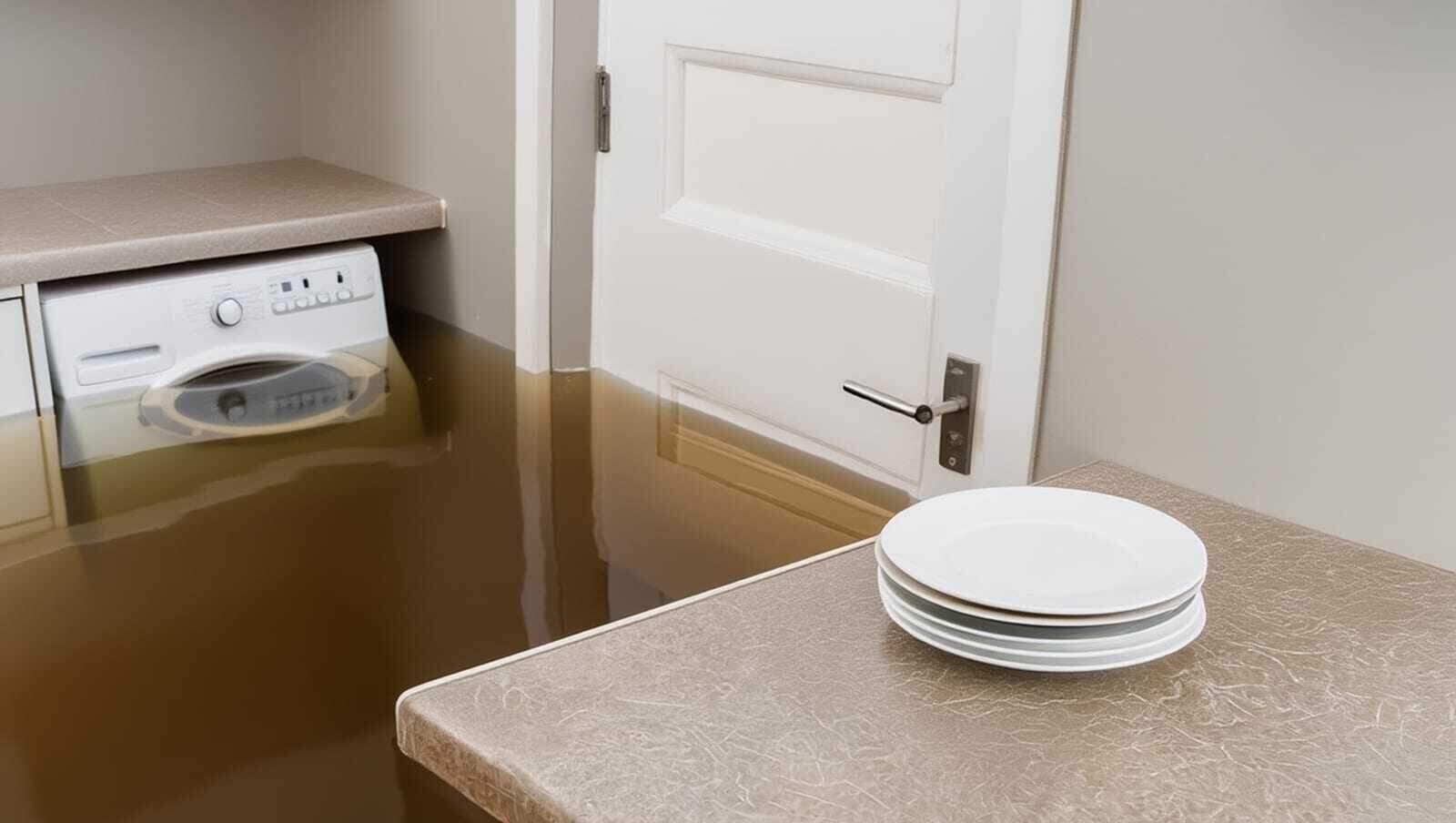
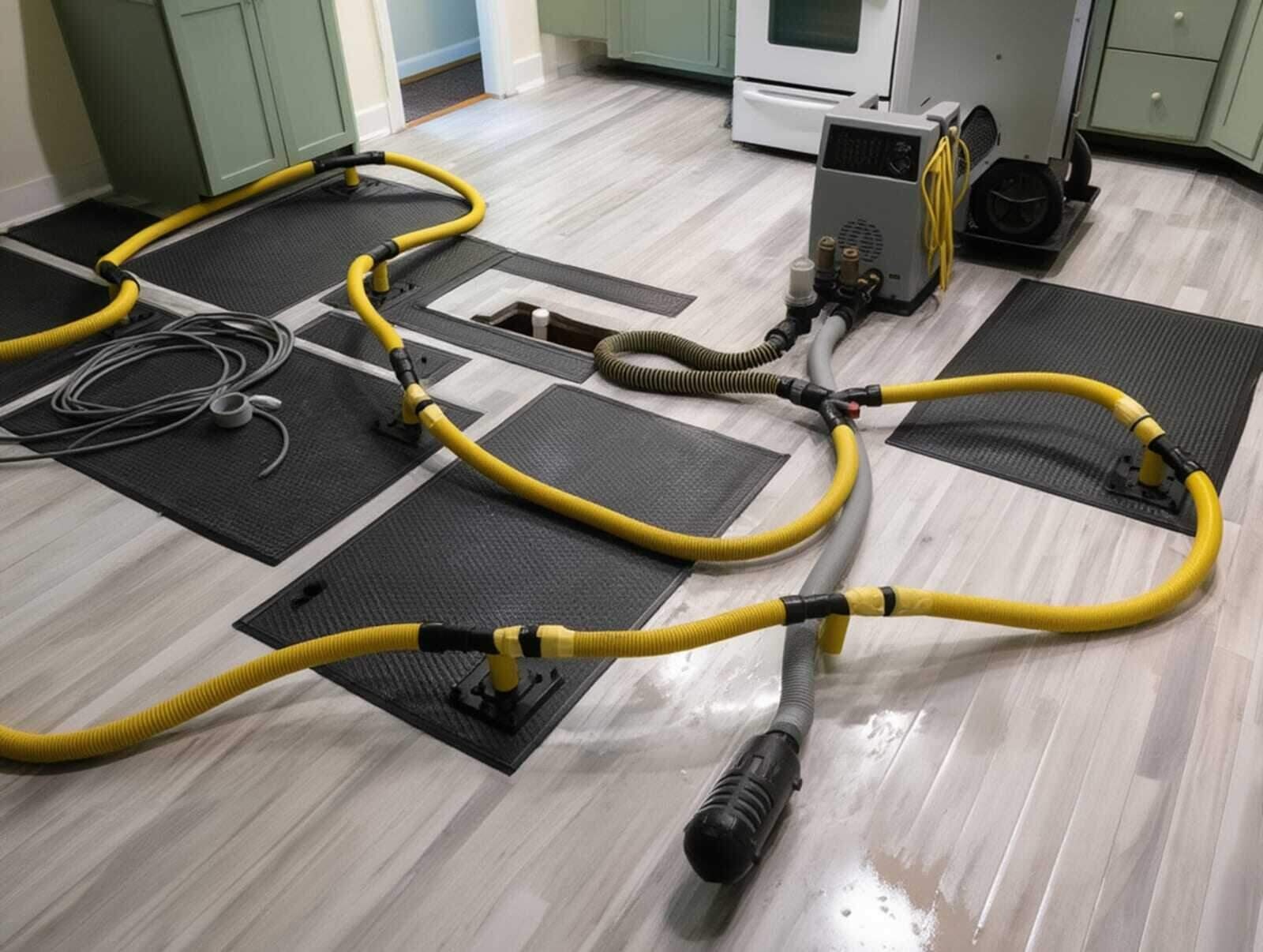
SummitFrame Restore maps the full wet footprint with meters, pulls the water with high-volume extraction, and runs drying equipment until the readings — not your hand — say the materials are back to a dry standard. The Brettonwoods and Bear Creek Ranch neighborhoods represent the kind of mid-era suburban housing where slab leaks show up most consistently in our south-Dallas calls, while pre-1975 cast-iron drains raise the sewage-backup risk.
- Same-day extraction with truck-mounted units and pumps
- We map the full wet area, including water you can’t see
- Dried to verified readings, then documented for your carrier
What Sends Water Into DeSoto Homes
In DeSoto, the jobs that need fast, high-volume extraction usually start one of these ways:
Slab leaks under 1970s–90s homes
DeSoto’s established neighborhoods — Brettonwoods, Bear Creek Ranch, Hampton Meadows — were built mainly in the 1970s through 1990s. Copper supply lines stressed by Dallas County clay for 30–50 years are in the window for pinhole failures. The first signs are a warm spot underfoot, damp baseboards, or a water bill that climbs without explanation. Slab water spreads flat and wide under the floor, so we extract beyond the visible edge and dry the subfloor.
Aging cast-iron sewage drain lines
Homes built before 1975 in DeSoto may still carry original cast-iron drain lines. Cast iron corrodes and cracks over 50-plus years, leading to sewage backups that require biohazard-level cleanup — a significantly more complex restoration than clean-water damage. Contaminated water is pumped and disposed of to standard, not just vacuumed up.
Spring hail roof damage in south Dallas County
DeSoto’s position in south Dallas County puts it in the tail of storms that track northeast through the Metroplex — these can still carry significant hail energy by the time they reach DeSoto’s zip codes. Older shingles on 1970s-era homes are particularly susceptible to granule loss and cracking.
Our Water Removal Process
Stop & Assess
We find the source, stop the inflow if it’s still running, and map the wet area with moisture meters.
Extract
Pumps and truck-mounted extractors pull standing water from floors, pad, and wall cavities.
Dry
Air movers and dehumidifiers run until readings confirm materials are back to a dry standard.
Verify
We re-check moisture daily and document the readings — the same record your adjuster wants.
Why DeSoto Homeowners Call Us First
- Dispatched locally, any hour. Our Dallas crews are on the road to DeSoto quickly, and the voice on the phone is a real technician rather than a routed call center.
- Certified to the S500 standard. IICRC-trained techs work to industry benchmarks and start logging moisture readings the first hour they're on site.
- The carrier gets billed, not you. We coordinate with your adjuster and carry the claim paperwork so you aren't chasing it.
- Dry-out and rebuild, one team. The same crew that dries the structure puts it back together — nothing stalls in a handoff to another contractor.
Frequently Asked Questions
Is DeSoto prone to slab leaks under 1970s–90s homes?
Yes — it’s one we see regularly here. DeSoto’s established neighborhoods — Brettonwoods, Bear Creek Ranch, Hampton Meadows — were built mainly in the 1970s through 1990s. Copper supply lines stressed by Dallas County clay for 30–50 years are in the window for pinhole failures. The first signs are a warm spot underfoot, damp baseboards, or a water bill that climbs without explanation. For DeSoto homeowners, that’s exactly the kind of source that leaves standing water to extract before it’s caught, which is why we trace and confirm the origin before we start the water removal work.
Can you save my carpet after a water loss in DeSoto?
Often the carpet itself can be saved if we extract and dry it fast and the water was clean; the pad underneath usually comes out because it holds water and dries too slowly. Sewage or long-saturated carpet is a different call. We check the water category and how long it sat before deciding what stays.
How long does water removal take in a DeSoto home?
The extraction itself is usually a few hours, depending on how much water there is and how far it spread. Drying the structure afterward is the longer phase — typically three to five days of air movers and dehumidifiers, with daily moisture checks. A clean burst-pipe leak dries faster than a slab leak that soaked the subfloor for a week before anyone noticed.
More Ways We Help in DeSoto
Burst & Frozen Pipe
Freeze-event extraction and wall-cavity drying after a cracked line.
Emergency Water Damage
Same-day dispatch for burst pipes, appliance floods, and storm roof leaks.
Mold Removal
Containment, HEPA scrubbing, and clearance testing after a water leak.
Ceiling Water Damage
Leak traced, cavity dried, stained or sagging drywall repaired.
Standing Water in DeSoto? Call Now.
The faster we extract, the less you tear out and rebuild. Reach a real person on our Dallas line any time — 24/7 Emergency Response across DeSoto.
Call Now: (469) 895-7900