
Mold Removal in Addison, TX
- On call around the clock in Addison and across DFW
- Licensed, insured, IICRC-certified technicians
- We log the loss and bill your carrier for you
Credentialed & on call in Addison


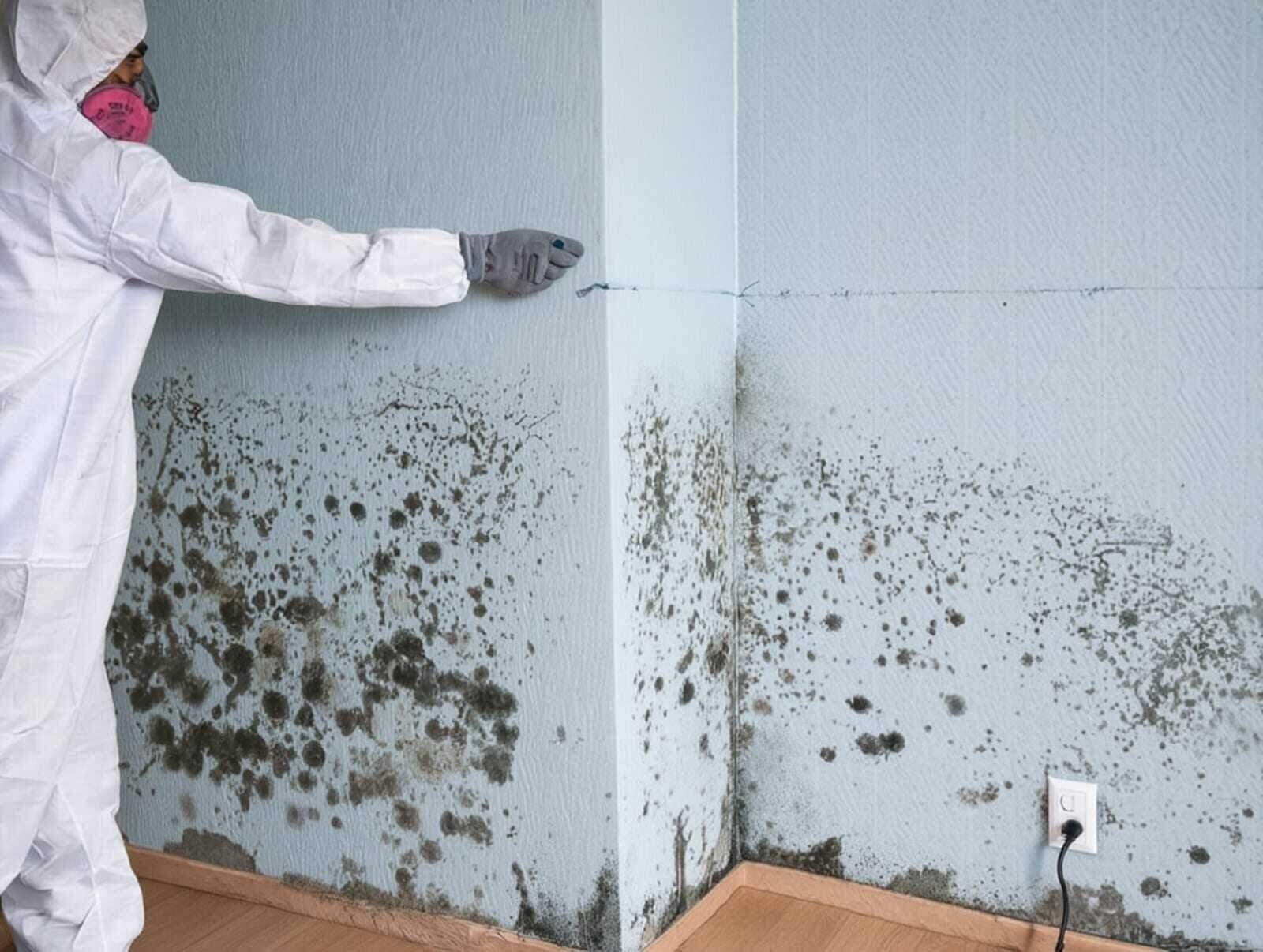
Containment, HEPA Scrubbing & Clearance in Addison
From a flash flood pushing into a Belt Line condo to a slab leak in a 1980s Addison home, the city’s dense build-out concentrates water where it can’t drain. Mold is a moisture problem before it’s a surface problem — SummitFrame Restore finds the water feeding it, seals the area to the S520 standard, removes the mold, and verifies the air before handing the room back.
- Sealed containment and negative air so spores stay put
- Source repair and structural drying so it doesn’t come back
- Lab sampling and clearance testing when the situation calls for it
What Sends Water Into Addison Homes
Before we remove a spot of mold in Addison, we find the water feeding it — and it usually comes from one of these:
Slab leaks in 1980s–90s residential sections
Addison’s smaller residential zones north of Arapaho Road include 1980s construction on Dallas County clay where copper supply lines are near their lifespan limit. Slab leaks show the same pattern as elsewhere in the metro: warm spots underfoot, rising water bills, damp baseboards. A slow slab leak keeps the subfloor and lower walls damp for weeks, the ideal hidden mold source we look for first.
Appliance and supply-line failures
In Addison’s condos and the restaurants along Midway Road, a failed supply line under a sink or behind an ice machine can run for hours, reaching units and tenants downstairs in stacked construction. Water that ran under a cabinet and dried on its own leaves a damp, hidden pocket where mold takes hold.
Ground-level condo and mixed-use water intrusion
Addison’s mid-rise residential and mixed-use buildings along Addison Road and Belt Line have ground-floor units below grade on parking-structure rooflines — a design that channels rooftop drainage toward entries when gutters or drains clog during heavy storms.
Our Mold Removal Process
Inspect & Test
We locate the moisture source with meters and thermal imaging and identify affected materials before any work starts.
Contain
We seal the work area with barriers and negative air pressure so spores don’t spread to clean parts of your Addison home.
Remove & Scrub
We remove mold-damaged materials, HEPA-vacuum and treat surfaces, and run air scrubbers to clear airborne spores.
Dry & Clear
We fix the moisture source, dry the structure to verified readings, and confirm the area is clean with post-remediation testing.
Why Addison Homeowners Call Us First
- Dispatched locally, any hour. Our Dallas crews are on the road to Addison quickly, and the voice on the phone is a real technician rather than a routed call center.
- Certified to the S500 standard. IICRC-trained techs work to industry benchmarks and start logging moisture readings the first hour they're on site.
- The carrier gets billed, not you. We coordinate with your adjuster and carry the claim paperwork so you aren't chasing it.
- Dry-out and rebuild, one team. The same crew that dries the structure puts it back together — nothing stalls in a handoff to another contractor.
Frequently Asked Questions
Do I need to leave my Addison home during mold removal?
For a contained job, usually not — the sealed work area and negative air pressure keep spores from drifting into the rest of the house. For larger remediations, or if anyone in the home is sensitive, we’ll talk through whether stepping out during active removal makes sense. We plan that with you before work starts.
Is Addison prone to slab leaks in 1980s–90s residential sections?
Yes — it’s one we see regularly here. Addison’s smaller residential zones north of Arapaho Road include 1980s construction on Dallas County clay where copper supply lines are near their lifespan limit. Slab leaks show the same pattern as elsewhere in the metro: warm spots underfoot, rising water bills, damp baseboards. For Addison homeowners, that’s exactly the kind of source that feeds mold behind the walls before it’s caught, which is why we trace and confirm the origin before we start the mold removal work.
After a leak in Addison, how quickly can mold take hold?
Wet materials can start growing mold within a day or two, and North Texas’s warm season tends to speed that along. The sooner the water is pulled out and the structure dried, the better your odds of avoiding a separate mold job stacked on top of the water-damage repair.
More Ways We Help in Addison
Roof Water Damage
Roof leaks traced and tarped, attic dried, stained ceilings repaired.
Hardwood Floor Water Damage
Floor-mat drying to reverse cupping and save the boards.
Burst & Frozen Pipe
Freeze-event extraction and wall-cavity drying after a cracked line.
Emergency Water Damage
Same-day dispatch for burst pipes, appliance floods, and storm roof leaks.
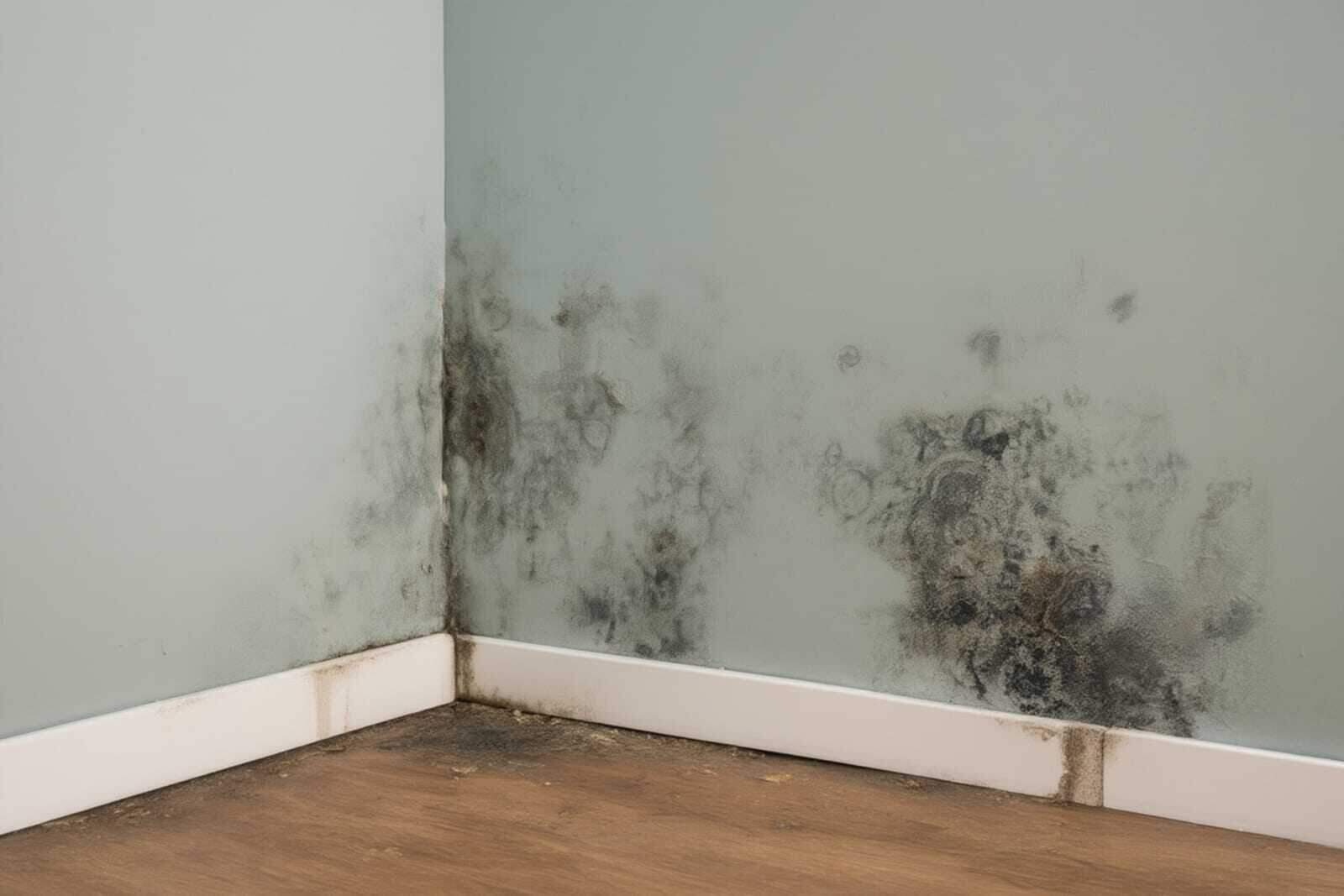
Musty Smell or Visible Mold in Addison? Call Us.
A musty smell usually means moisture is still feeding it. Our certified Addison crew finds the source, removes the mold, and verifies the air — 24/7.
Call Now: (469) 895-7900